 Rovix Motion
Rovix Motion
Rovix Motion
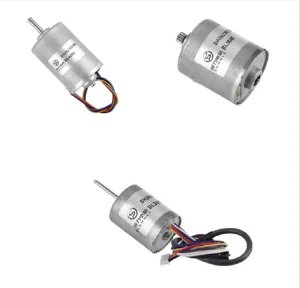 Power Brushless Dc Motor 12v 18v 24v 1500 RPM 3000 RPM 4000 RPM Micro Motor Permanent Magnet 5MM High Torque
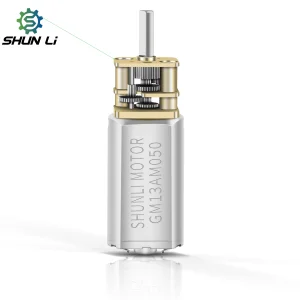 Dual Shaft Mini Generator Geared Dc Motor Low Speed 3 Volt 6 Volt 12v Permanent Magnet FAN
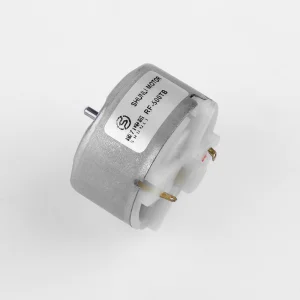 2018 Hot Selling 9V DC SRF-500TB Hair Dryer Motor
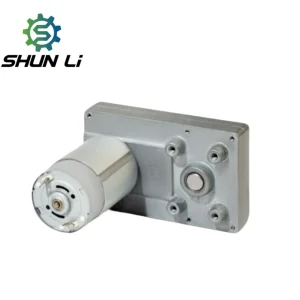 GM95F-555PM Low Rpm High Torque 12v Dc Gear Motor
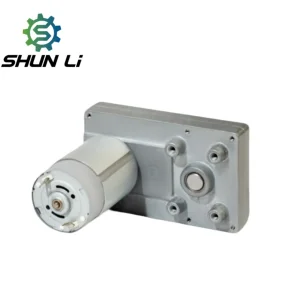 Flat Geared with Magnetic Encoder 12V 24V DC Motors With Gearbox
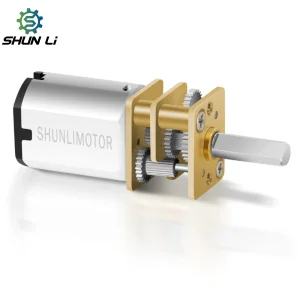 Shunli 4.5V/6V/10V/12V DC Gear Motor with N20 Micro Motor Gearbox Permanent Magnet
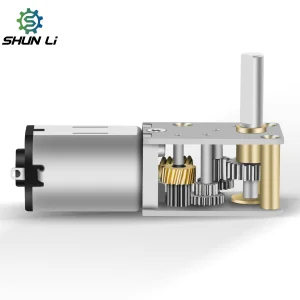 Worm Gear Motor Right Home Appliance Wholesale Worm Gear Motor Factories
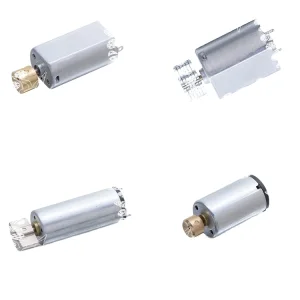 5v 10000rpm Small Brush Dc Vibration Motor FAN Home Appliance Permanent Magnet
The global smart lock market is projected to reach $6.12 billion by 2028. As security moves from traditional mechanical keys to biometric and IoT-enabled systems, the core component—the micro-geared motor—has become the ultimate differentiator. North American and European markets demand high-durability motors that can withstand extreme weather, while the Asian market focuses on ultra-compact designs for sleek residential apartments.
Experience tells us that the biggest failure point in smart locks is motor fatigue. Leading factories now prioritize Brushless DC (BLDC) motors and high-precision N20/N30 gearboxes. These components must undergo 200,000+ cycle testing to ensure they won't jam or fail, maintaining the Integrity and Trust of the security brand.
From high-security bank vaults requiring Worm Gear Motors with self-locking capabilities to hotel RFID locks using Micro Stepper Motors for precise latch positioning, the application is diverse. Each scenario requires a specific balance of torque density and energy efficiency to maximize battery life.
Inside a premium robotic joint, an automated medical valve, or a high-end smart lock, space is the ultimate luxury. At Rovix Motion, we measure our manufacturing success in micrometers and decibels. Our mission is to take advanced, heavy-duty rotational power and compress it into the most compact, energy-efficient footprints imaginable.
Our expertise lies in the micro-details of motion control. From precision-wound copper rotors and high-purity commutators to zero-backlash planetary gear trains, every single internal component of a Rovix Motion motor is optimized to eliminate friction and maximize heat dissipation. By combining advanced automated Swiss-style hobbing with Japanese dynamic balancing, we ensure our micro drives deliver the fluid, whispering-quiet power your brand promises.
China's "Greater Bay Area" provides an unparalleled ecosystem where raw material suppliers, magnet manufacturers, and precision gear cutters are within a 2-hour radius. This allows for rapid prototyping and scaling that Western factories cannot match.
Modern Chinese factories utilize Slow-feeding NC wire-cut machines and Automatic Gear Riveting systems. These technologies ensure every motor produced is a carbon copy of the approved prototype, eliminating the "quality drift" common in manual assembly.
Through automation and vertical integration, factories like Rovix Motion offer high-torque solutions at a 30-40% lower cost than European counterparts without sacrificing ISO 9001 standards.
Ensuring every rotation meets the highest security standards.
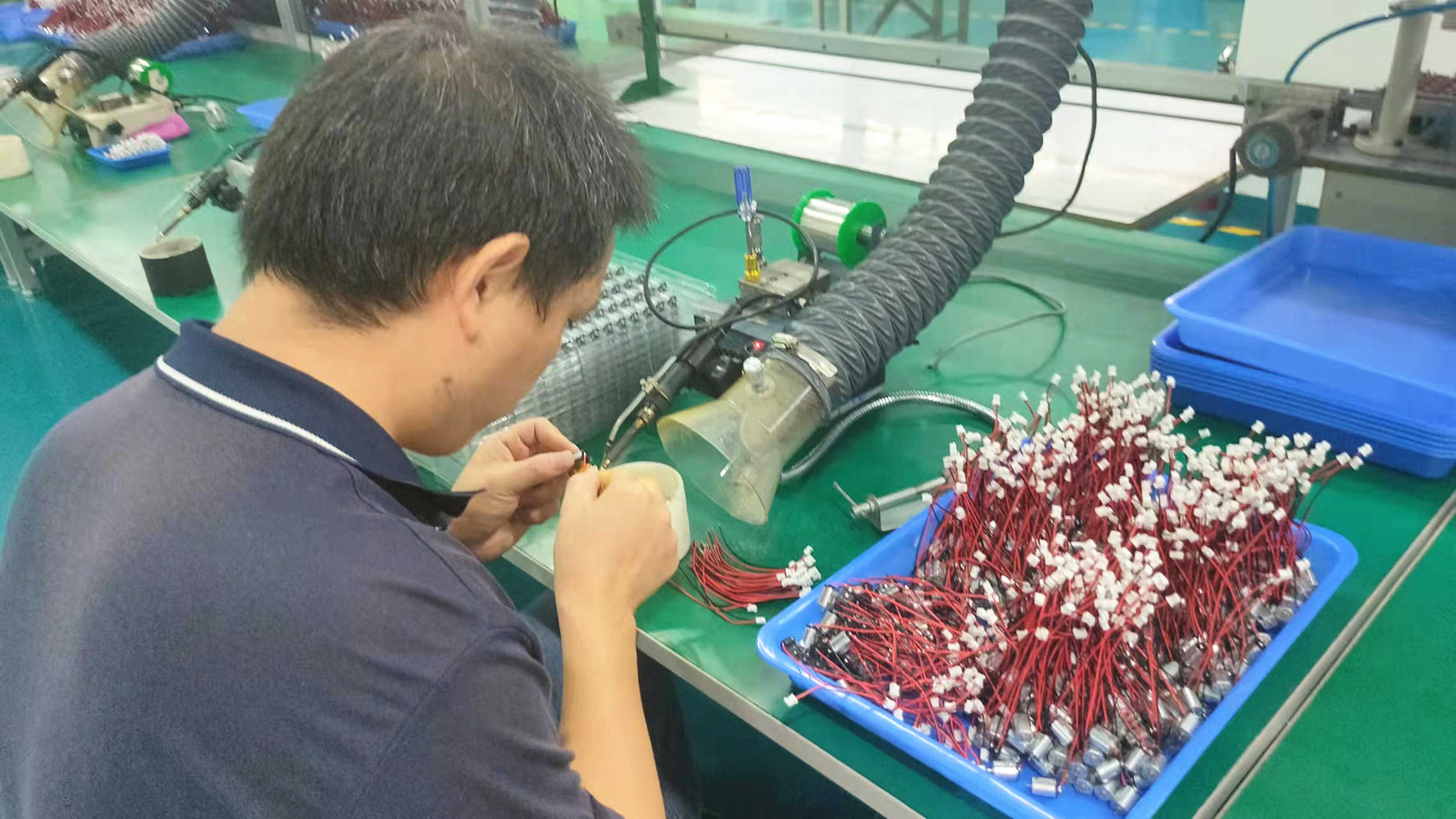
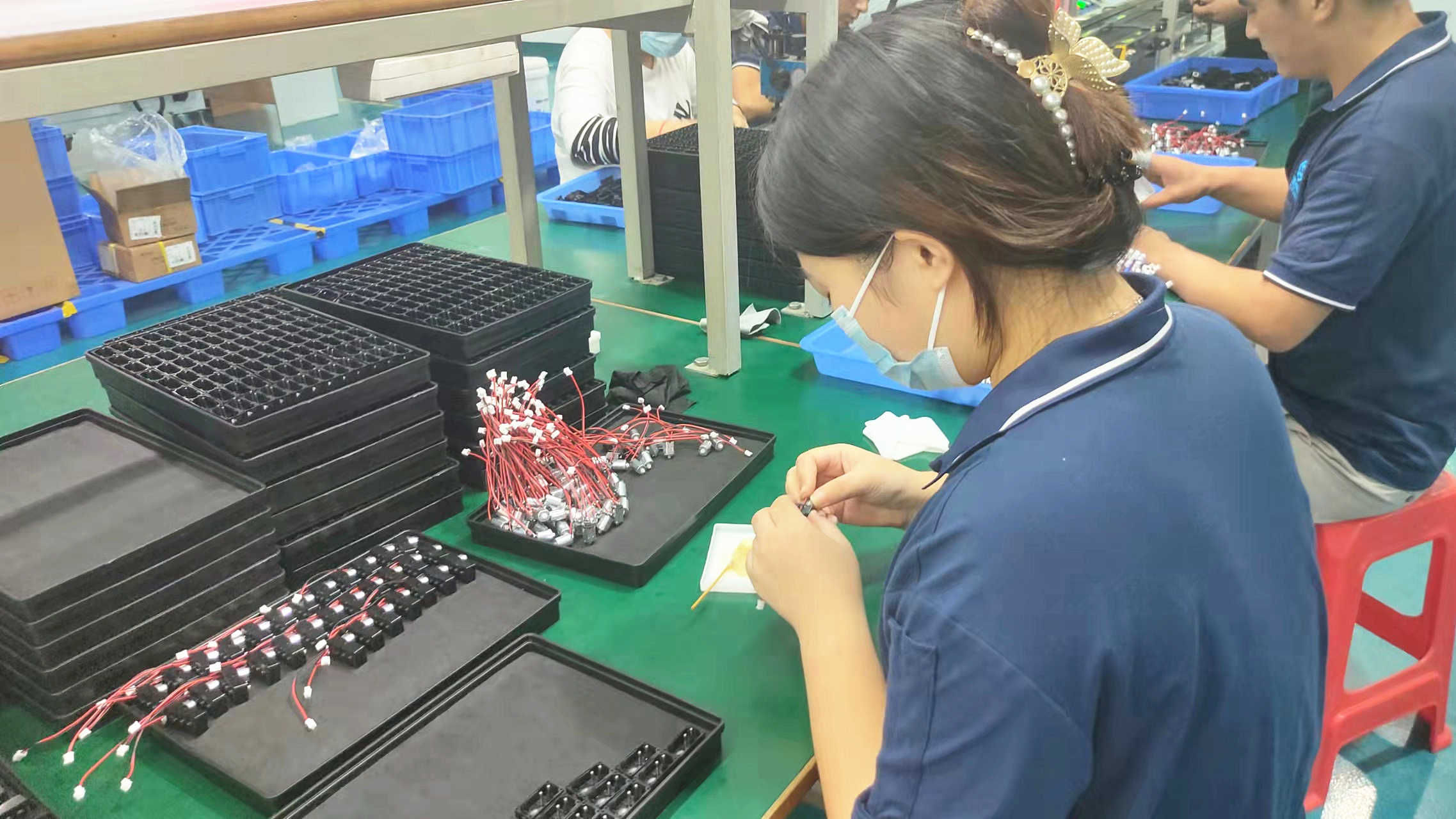
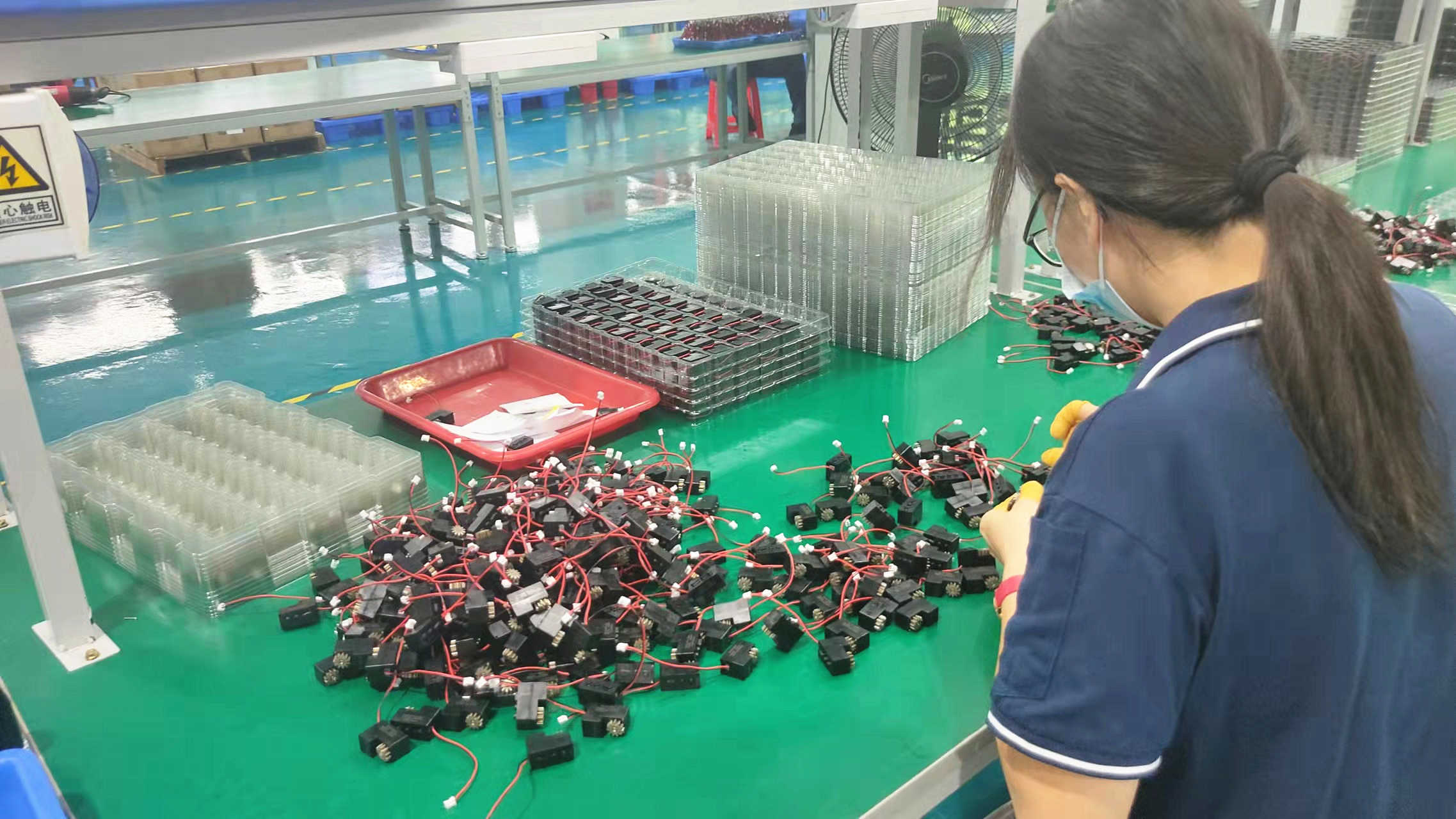
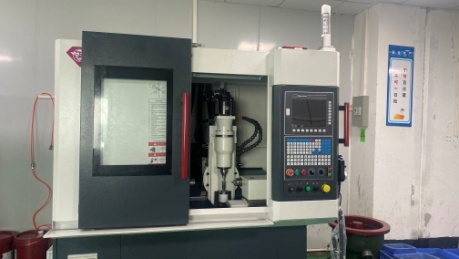
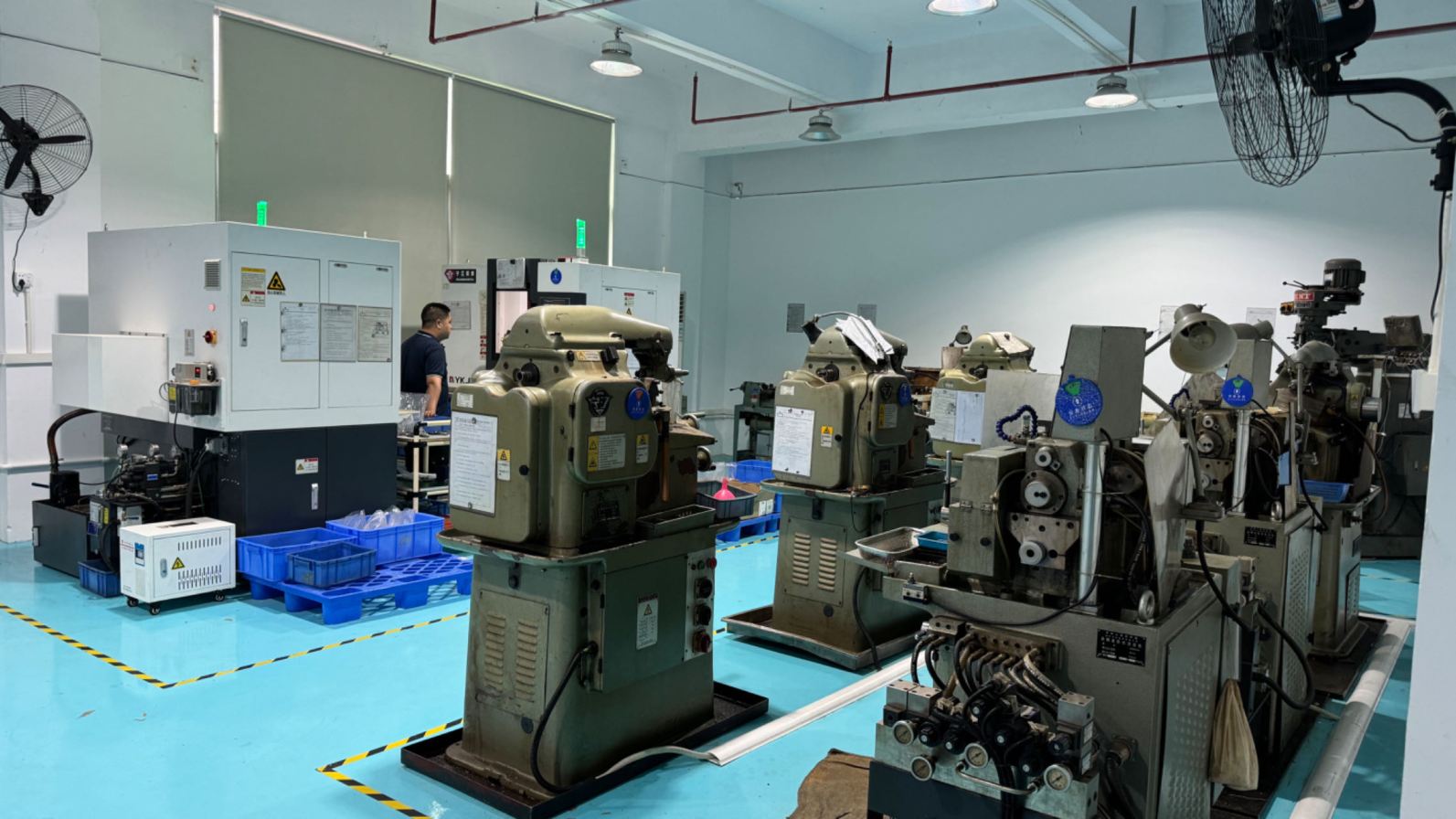
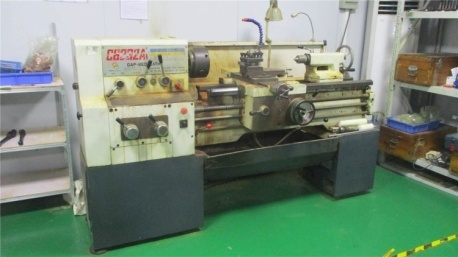
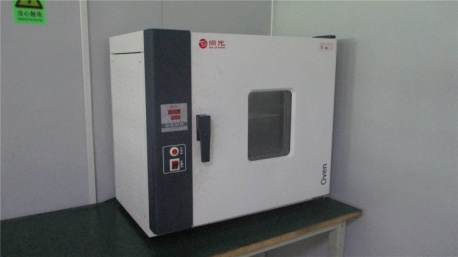
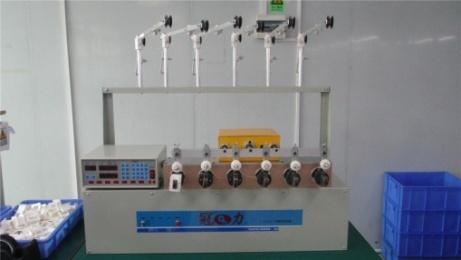
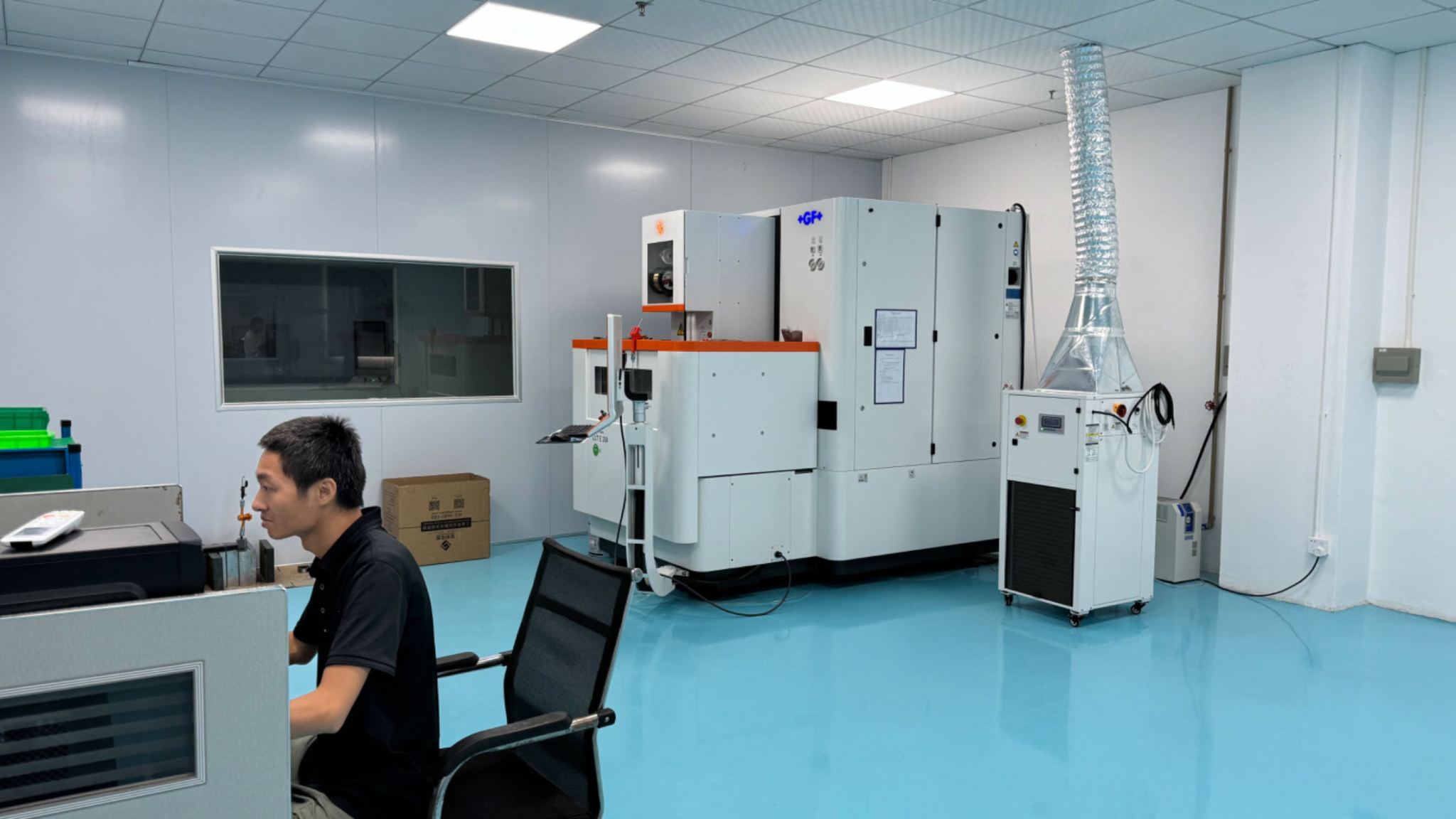
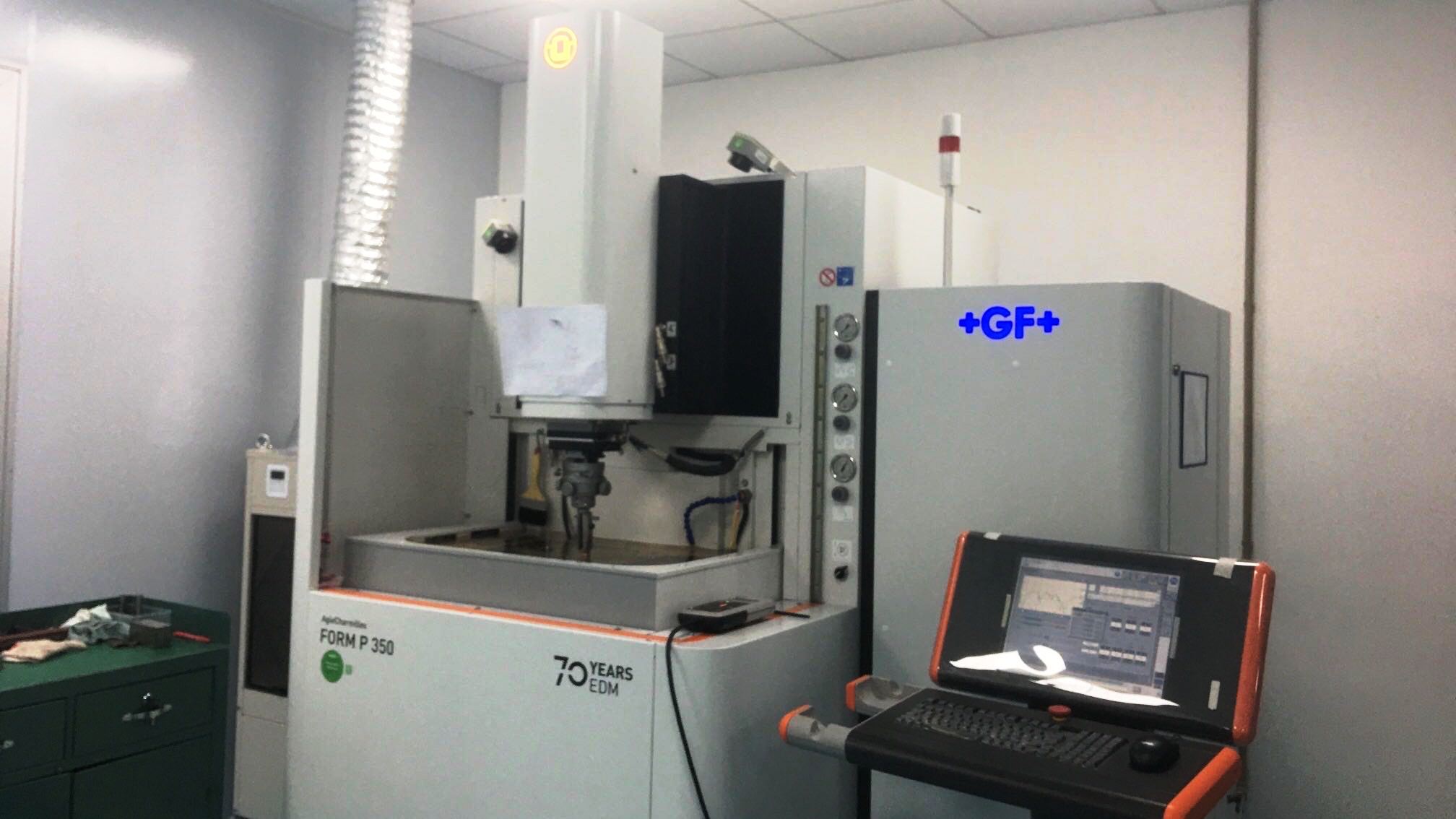
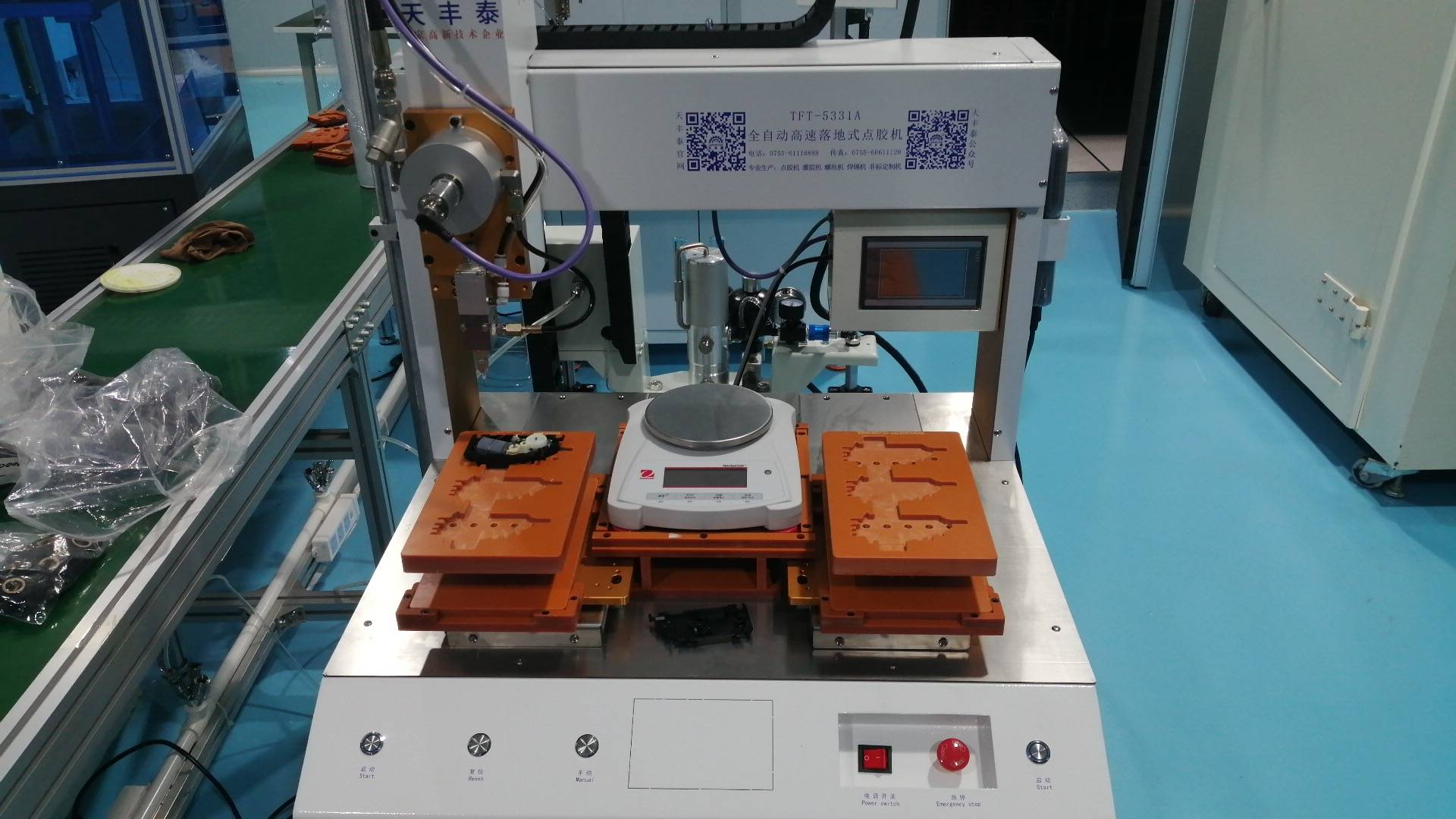
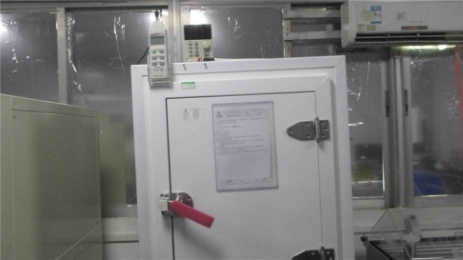
Ensuring ultra-silent lock operation in residential environments.
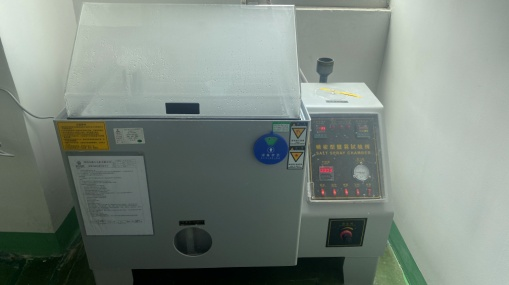
Corrosion resistance testing for coastal and outdoor smart locks.
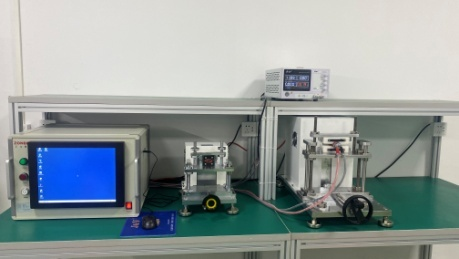
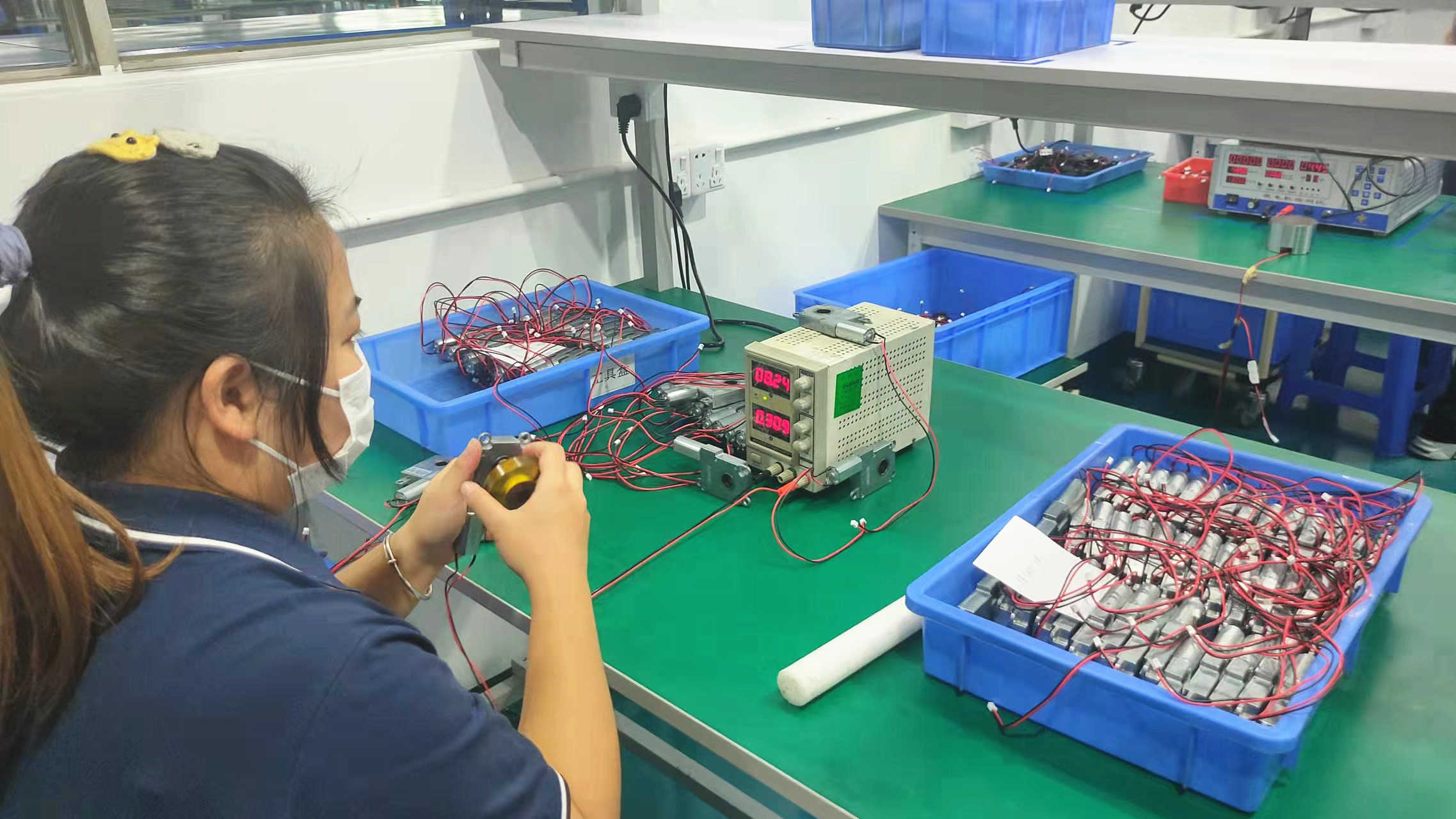
Real-time torque and efficiency curve analysis.
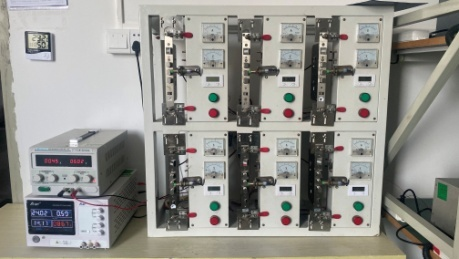
Continuous operation testing for long-term reliability.
As we move towards 2025, the "Information Gain" in motor technology centers on Matter Compatibility and Ultra-Low Power Standby. Future motors will not just move; they will communicate. Integrated encoders will provide feedback to the lock's CPU regarding the exact position of the bolt, even detecting if a door is slightly ajar or if there is resistance from a misaligned strike plate.
Furthermore, the shift toward Planetary Gear Systems allows for higher torque in a smaller radius compared to traditional spur gears, enabling the creation of "Invisible Smart Locks" that fit entirely within the door's mortise.
Most battery-operated residential locks utilize 3V to 6V DC motors (like the N20 series) to balance battery life and torque. For commercial-grade locks, 12V is preferred to overcome heavier bolt friction.
Noise reduction is achieved through high-precision gear hobbing (minimizing gear tooth error) and using dampening materials in the motor housing. Rovix Motion's motors are tested in specialized noise chambers to stay below 30dB.
Brush motors are cost-effective and sufficient for low-frequency residential use. However, for high-traffic office buildings, Brushless (BLDC) motors offer significantly longer lifespans and higher efficiency.
A standard deadbolt requires approximately 0.8 kgf.cm to 1.5 kgf.cm to operate smoothly. We recommend a motor with a safety margin that can handle up to 3.0 kgf.cm for jammed door scenarios.
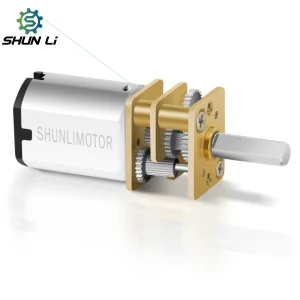 Shunli Dc Gear Motor 3v 4v 6v 12v 12mm Gearbox Motor N20 DC Gear Motor Micro Gearmotor for Lock
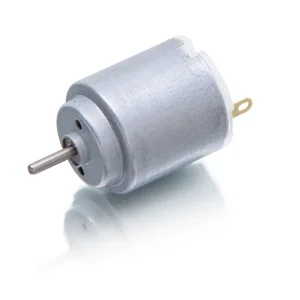 Low Cost 3v 6v Small Dc Motor for Medical Equipment and Mini Toys
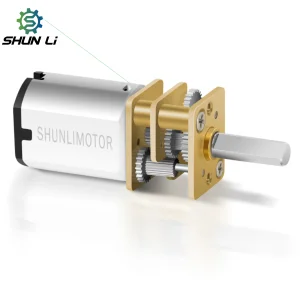 Shunli Custom 5v 60rpm 12*10mm Gearbox motor Plus N30 Permanent Magnet Dc Gear Motor 12V
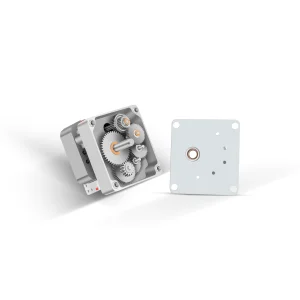 AC Shaded Pole Gear Motor for Kitchen Appliances/baking Machine/oven 110V220V
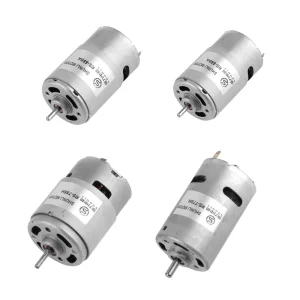 Shunli Custom 12v 6000rpm Dc Motor for Hair Dryer /toy Car Electric Dc Motor
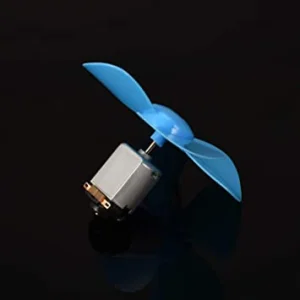 Mini Electric Hobby Motor 3V-12V 25000 RPM Powerful Magnetic Propeller with Shaft
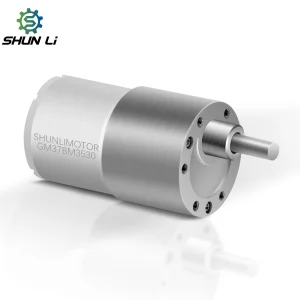 Low Noise High Torque 10nm 37mm 12v 24V Cw/ccw with Mini Dc Gearbox Motor with Encoder
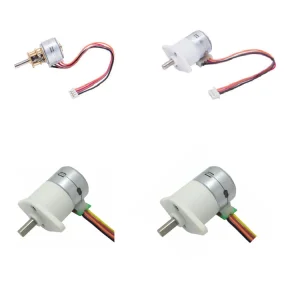 3V 5V Dc Micro Stepper Geared Motor Accurate 12mm 800gf.cm Gearbox Motor for Vending Machine