Rovix Motion Rovix Motion

Top Stepper Motor Trends in 2026 for Global Buyers

Time:2026-08-06 Author:Amelia
0%

In 2026, the landscape of stepper motors will evolve significantly. Global buyers must recognize the trends shaping this market. The demand for precise motion control is rising. This is largely due to automation in various industries. Stepper motors play a crucial role in applications ranging from 3D printing to CNC equipment.

As technology advances, buyers will seek more efficient solutions. Innovations in stepper motor design can lead to enhanced performance. Improvements in energy efficiency and size reduction are notable. Many buyers may overlook these trends. Some may focus solely on cost, neglecting quality and durability.

A deeper understanding of stepper motors is vital for informed decisions. Buyers should consider factors like torque and step angle. Engaging with industry experts provides valuable insights. Trustworthy suppliers will guide buyers in selecting the right motors. Embracing these trends and insights can enhance overall operational efficiency.
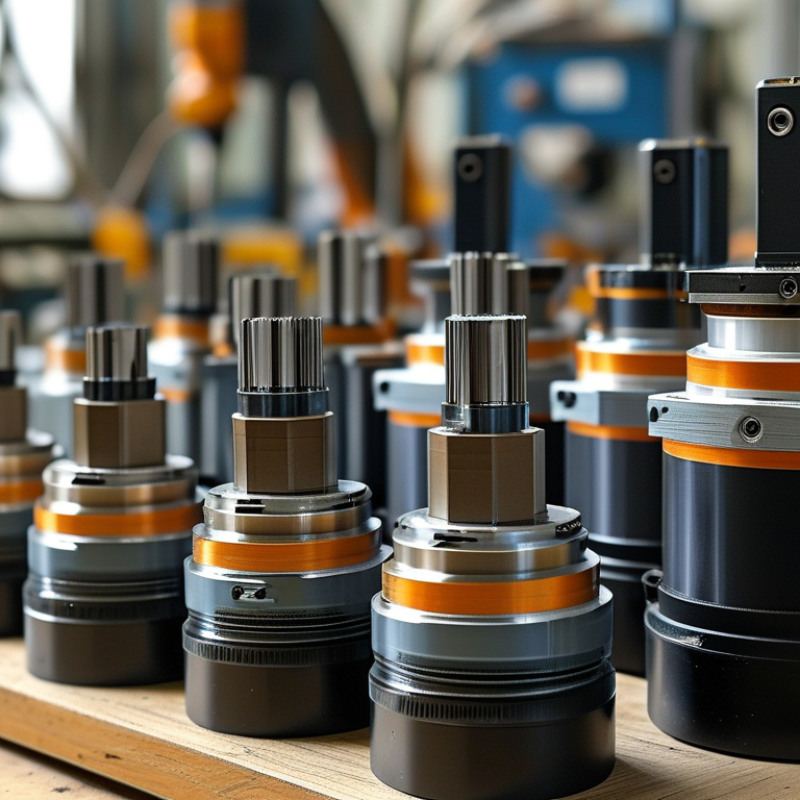
Top Stepper Motor Trends in 2026 for Global Buyers

Emerging Technologies Enhancing Stepper Motor Performance in 2026

In 2026, stepper motors will undergo significant transformations driven by emerging technologies. These advancements aim to enhance performance, efficiency, and reliability. Recent reports indicate that the global stepper motor market is projected to reach $5.3 billion, highlighting the growing demand for these critical components in automation.

One key area of innovation is in integrated control systems. These systems enable better precision and reduced latency. Data from the International Association of Automation highlights that motors with integrated drivers can achieve up to 40% more efficiency compared to traditional models. This links directly to trends in industries focused on minimizing energy consumption.

Another notable development involves smart sensors embedded in stepper motors. These sensors provide real-time feedback, allowing for adaptive control strategies. According to research by the Robotics Industry Association, motors equipped with smart technology can reduce operational errors by 30%. However, the integration of these technologies presents challenges. Manufacturers may struggle with compatibility and the additional costs of implementation, requiring careful consideration and planning. These reflections indicate the complex landscape of evolving motor technology amidst rising industry expectations.

Key Trends in Stepper Motor Applications Across Various Industries

The landscape of stepper motor applications is evolving in 2026. Industries from robotics to medical devices are increasingly relying on these motors for precision and control. The demand for more accurate positioning is driving innovation. In automation, stepper motors enhance efficiency, reducing downtime and energy consumption. Technological advancements enable improved performance in harsh environments.

In robotic applications, stepper motors are vital. They enable accurate movements, essential for tasks like 3D printing and CNC machining. The integration with AI is also notable. Machines equipped with stepper motors can perform complex operations autonomously. This trend is set to expand further as industries seek smarter solutions.

Tips: Consider your specific application needs. Factors like torque and resolution should influence your choice of stepper motor. Also, don't overlook compatibility with existing systems. It’s important to assess the integration process carefully. Evaluate performance against cost-effectiveness. Balancing these elements will yield optimal results.

Sustainable Practices in Stepper Motor Manufacturing by 2026

As the world shifts toward sustainability, the stepper motor industry is adapting. By 2026, manufacturers are expected to adopt greener practices. These practices will focus on reducing waste and energy consumption. Companies are exploring renewable materials for production. This shift can create a more sustainable supply chain.

Efforts will not only aim for efficiency but also consider life cycle assessments. This means evaluating every stage of the motor's life. Challenges will remain in balancing cost and sustainability. Some manufacturers may struggle to find eco-friendly materials without increasing prices. The importance of collaboration among industry leaders is crucial.

Transparency in manufacturing processes will become essential. Buyers will likely demand clarity on sourcing and production methods. However, making these changes isn’t always straightforward. A commitment to sustainable manufacturing requires long-term investments. The journey to greener practices is complex and requires constant evaluation.

Innovations in Control Systems for Stepper Motors in the Coming Years

In 2026, innovations in control systems for stepper motors are expected to revolutionize various industries. These advancements will enhance precision and efficiency in automation. New algorithms will improve real-time control, enabling more accurate movements. Enhanced feedback systems will allow stepper motors to adapt to loads intelligently. This adaptability is crucial for applications requiring high precision.

Tips: Consider integrating modular control systems. They can simplify maintenance and upgrading. Look for systems that offer easy customization for specific needs. Modular designs allow for flexibility and scalability. This is vital in fast-evolving industries.

Moreover, energy efficiency remains a key trend. New control strategies will optimize power usage, reducing operational costs. These strategies include variable current control and microstepping techniques. However, relying solely on technology can be limiting. It's essential to understand the balance between automation and manual adjustments. A hybrid approach might foster better outcomes in many scenarios.

Top Stepper Motor Trends in 2026 for Global Buyers

Market Predictions for Stepper Motor Demand and Supply Dynamics in 2026

As we look towards 2026, the demand for stepper motors is set to expand rapidly. Various industries, including automation, robotics, and consumer electronics, are driving this growth. The diversity of applications promotes a greater variety of stepper motors in the market. Buyers can expect innovations that enhance efficiency and reduce power consumption.

Supply dynamics will also evolve. There may be challenges in sourcing key components. Manufacturing changes could affect lead times and availability. This could create pressure on prices, leading buyers to consider alternative suppliers. Additionally, global events may introduce uncertainty. Companies must remain adaptable to navigating supply chain disruptions.

Adopting new technologies like AI and IoT is becoming crucial. These technologies optimize motor performance and predict maintenance needs. However, not all companies are ready for this shift. There's still a gap between innovation and implementation. As the landscape changes, buyers should assess their readiness to embrace new solutions. This evolving scenario requires constant reflection and adjustment to strategies in procurement.

FAQS

: What industries are increasingly using stepper motors?

: Industries such as robotics, medical devices, and automation are relying on stepper motors.

How do stepper motors enhance automation?

They improve efficiency and reduce downtime and energy consumption in operations.

What role do stepper motors play in robotics?

They enable precise movements for applications like 3D printing and CNC machining.

Why is AI integration important for stepper motors?

It allows machines to perform complex operations autonomously, enhancing overall performance.

What factors should influence the choice of a stepper motor?

Consider torque, resolution, and compatibility with existing systems before making a decision.

What challenges might arise in the supply of stepper motors?

Sourcing key components could become difficult, affecting lead times and prices.

Why is adopting new technologies important in this field?

AI and IoT can optimize performance and predict maintenance, essential for competitive edge.

Are all companies ready for the technological shift?

Not all companies are equipped for new technologies, leading to potential implementation gaps.

How should companies navigate supply chain disruptions?

Companies need to remain adaptable and consider alternative suppliers to manage uncertainties.

What should companies assess regarding their strategies?

Constant reflection on readiness for new solutions and adjustments in procurement strategies is needed.

Conclusion

The article "Top Stepper Motor Trends in 2026 for Global Buyers" explores the evolving landscape of stepper motors, focusing on the key advancements expected in the coming years. Emerging technologies are poised to significantly enhance the performance of stepper motors, making them more efficient and versatile across various applications. Industries are increasingly adopting innovative control systems, which are projected to streamline operations and improve precision in stepper motor applications.

Sustainability is also a major focus, with manufacturers expected to adopt greener practices, reducing environmental impact while maintaining production efficiency. Additionally, the article outlines market predictions that indicate a robust demand for stepper motors, driven by technological advancements and industry needs. Overall, the future of stepper motors looks promising, with transformative trends set to reshape their use across multiple sectors by 2026.

Amelia

Amelia

Amelia is a seasoned marketing professional with a wealth of expertise in our company’s core offerings. With an unwavering passion for driving growth and innovation, she plays a pivotal role in shaping our marketing strategies and enhancing brand visibility. A key aspect of her responsibilities......