Rovix Motion Rovix Motion

7 Tips for Buying a Variable Speed Gear Motor

Time:2026-10-05 Author:Amelia
0%

Choosing a Variable Speed Gear Motor can shape your machine’s performance, energy use, and maintenance costs. It is not simply a matter of selecting the highest rated model. Speed range, torque demand, load changes, operating hours, and installation conditions all matter.

Real-world experience shows that small specification gaps can create noticeable problems. A motor may run smoothly in a showroom, yet struggle near a dusty conveyor or under repeated starts. Check the required output speed carefully. Confirm the gearbox ratio, shaft arrangement, mounting position, and available power supply. Then compare the motor’s continuous torque with the actual working load, not an optimistic estimate.

Details matter.

A reliable purchase also depends on the controller, cooling method, enclosure rating, noise level, and service support. Ask for performance curves and duty-cycle information. Verify whether the quoted speed range remains practical under load. Some sellers describe maximum speed without explaining reduced torque at higher settings. That omission deserves attention.

The following seven tips provide a practical framework for comparing options. They focus on application fit, efficiency, durability, controls, safety, documentation, and long-term support. These recommendations reflect common engineering checks, but no checklist replaces site-specific testing. Your assumptions may be incomplete. Measure the load if possible, and invite a qualified technician to review the final selection. A careful decision today can prevent overheating, unstable speed, and expensive downtime later.
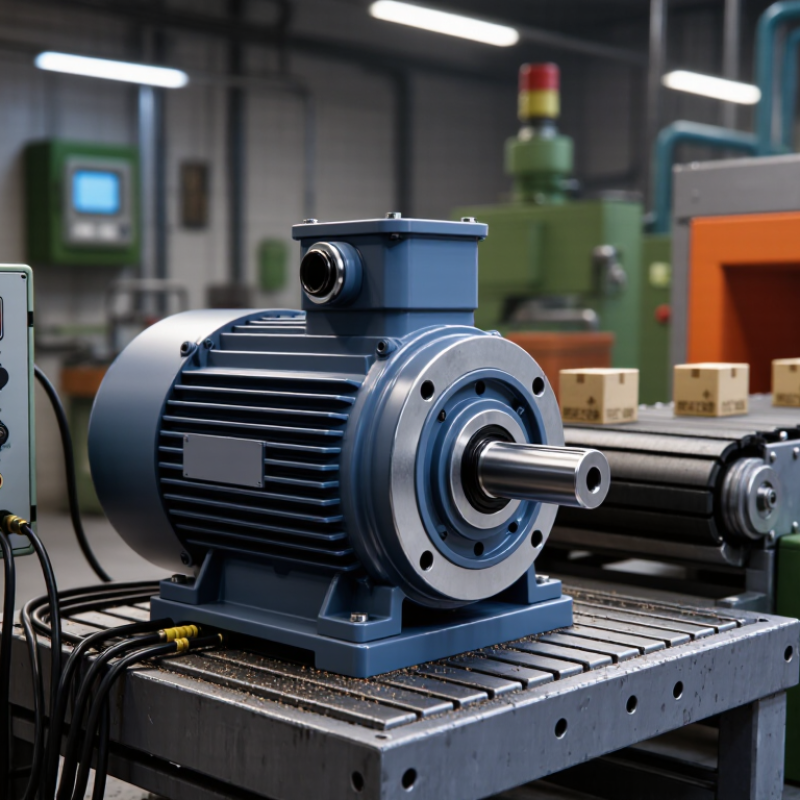
7 Tips for Buying a Variable Speed Gear Motor

Understand How Variable Speed Gear Motors Work

7 Tips for Buying a Variable Speed Gear Motor

Understand How Variable Speed Gear Motors Work

A variable speed gear motor combines an electric motor, controller, and gearbox. The controller changes electrical frequency, adjusting motor speed smoothly. The gearbox then trades speed for torque. Think of a bicycle using a lower gear on a steep hill. The motor turns faster, while the output shaft turns slower and stronger.

The U.S. Department of Energy’s 2021 Motor Systems Market Assessment reports that motor-driven equipment uses about 70% of industrial electricity. The International Energy Agency also identifies motor systems as major global electricity users. Speed control can reduce waste, especially in pumps, conveyors, and fans. However, savings depend on load patterns. A lightly loaded gearbox may still waste energy through friction and heat.

Tip 1: Check the required output speed and torque, not motor horsepower alone.

Tip 2: Match the duty cycle, starts per hour, and overload demand.

Tip 3: Ask for efficiency data across the operating range. IEC 61800-9-2 supports comparing drive-system efficiency.

Tip 4: Confirm gearbox service factor and thermal capacity.

Tip 5: Consider braking and sudden load changes.

Tip 6: Inspect lubrication access and shaft alignment requirements.

Tip 7: Record actual operating conditions before buying. A catalog estimate can mislead. Real machines vibrate, stall, and run below their ideal load.

Define the Required Speed, Torque, and Power

Tip 1: Define the output speed before comparing variable speed gear motors. Measure the required operating range, not only the average speed. A conveyor may run at 30 rpm normally but need 10 rpm during inspection. Record minimum, normal, and maximum speeds. Check whether the motor can maintain stable torque at each point.

Tip 2: Calculate torque from the actual load. Torque equals force multiplied by radius, but real systems need more than a basic calculation. Include friction, incline, acceleration, shock loads, and frequent starts. For example, a loaded drum may demand high starting torque even when its running speed is low. Leave a sensible margin. Too little margin causes overheating; too much can increase cost and reduce control accuracy.

Tip 3: Match power with speed and torque, then verify the duty cycle. Power can appear adequate at rated speed but fall short during slow operation. Gear efficiency also reduces usable output. Check continuous and peak torque separately. Ask for thermal data at the lowest speed, especially when natural cooling becomes weaker. This detail is easy to miss.

In practical sizing, measure the real load if possible. Guessing from a catalog table is convenient, but it can produce a disappointing result. Test acceleration time, stopping frequency, and gearbox backlash. Recheck the figures after installation. A small correction early is better than replacing an undersized motor later.

Choose the Right Gearbox and Motor Configuration

7 Tips for Buying a Variable Speed Gear Motor

Tip 1: Define the required output speed before choosing the motor. A wide speed range may reduce available torque at low frequency. Record the normal speed, peak speed, and starting load. Small details matter.

Tip 2: Match the gearbox ratio to the working load, not only the desired speed. Helical gearboxes suit efficient continuous operation, while worm gearboxes offer compact layouts and high reduction. However, worm designs can generate more heat. Check gearbox efficiency, rated torque, backlash, and allowable radial load. A simple torque estimate is better than guessing.

Tip 3: Select a motor that works with the speed controller. Confirm voltage, frequency range, cooling method, insulation class, and overload capacity. An inverter-rated motor is often safer for frequent speed changes. If the motor runs slowly for long periods, its built-in fan may not provide enough cooling. External cooling may be necessary.

Tip 4: Inspect the complete configuration. Verify shaft diameter, mounting position, brake requirements, encoder needs, and cable entry direction. A physically compatible motor can still fail during installation. I have seen projects delayed by one overlooked flange dimension.

Tip 5: Allow a realistic service factor for shock loads and starts. Too much capacity increases cost and may reduce control sensitivity. Too little capacity causes overheating. The perfect selection is rarely obvious at the first calculation. Recheck the duty cycle with actual operating data.

Check Efficiency, Controls, Mounting, and Operating Conditions

Buying a variable speed gear motor requires more than matching horsepower. Start with efficiency. The U.S. Department of Energy reports that motor-driven equipment uses about 70% of industrial electricity. Tip 1: compare rated efficiency at your actual load. Tip 2: check whether the controller maintains efficiency at low speed. A motor may save energy, but poor tuning can erase the benefit.

Tip 3: match the control method to the application. Variable torque loads, such as fans, respond differently from conveyors with steady torque. Tip 4: confirm the required speed range, starting torque, braking needs, and overload capacity. The IEC 60034-30-1 efficiency framework helps compare motor classes, but it does not replace application testing. Measure it in practice.

Tip 5: inspect mounting dimensions, shaft direction, and gearbox alignment before ordering. A few millimeters of misalignment can increase noise and bearing wear. Tip 6: review temperature, dust, moisture, altitude, and washdown exposure. Tip 7: specify the duty cycle and maintenance access. The ISO 20816 vibration standard supports condition checks, yet vibration readings alone cannot explain every failure. I have seen selections that looked correct on paper but overheated during repeated starts. That mistake is easy to make. Leave a realistic service margin, then verify performance under the machine’s real operating conditions.

7 Tips for Buying a Variable Speed Gear Motor - Check Efficiency, Controls, Mounting, and Operating Conditions

Tip Selection Dimension What to Check Practical Buying Guidance Recommended Verification
1 Define Required Speed and Torque Confirm the required output speed, continuous torque, peak torque, duty cycle, and direction of rotation.

Output rpm Nm Duty cycle
Select the motor and gearbox from the actual load requirements rather than the motor power alone. For a rotating load:

Torque (Nm) = 9550 × Power (kW) ÷ Speed (rpm)

Include acceleration, stopping, reversing, and short-term overload torque in the calculation.
Compare the calculated load torque with the gearbox’s rated output torque. Choose a service factor appropriate to shock loading, starts per hour, and operating time.
2 Check Motor and System Efficiency Review motor efficiency, gearbox efficiency, variable-speed drive losses, and the expected operating point.

Motor efficiency Gearbox efficiency Total system loss
Helical and planetary gearboxes commonly provide higher efficiency than worm gearboxes, while actual efficiency depends on ratio, lubrication, load, and speed. A complete variable-speed system should be evaluated at the speeds and loads used most often. Request efficiency data at the intended load and speed range. Check input power and output power under representative operating conditions instead of relying only on the motor nameplate rating.
3 Match the Speed-Control Method Determine whether the application requires a variable-frequency drive, integrated controller, servo control, closed-loop feedback, or simple adjustable speed.

Open loop Closed loop Feedback
Use open-loop control for basic speed regulation where moderate accuracy is acceptable. Use encoder feedback or servo control when precise speed, position, synchronization, or rapid dynamic response is required. Verify rated voltage, frequency range, current capacity, braking requirements, communication protocol, overload capability, and compatibility between the motor and controller.
4 Select the Correct Mounting Arrangement Check foot, flange, shaft-mounted, or face-mounted installation; shaft orientation; available space; coupling method; and allowable radial and axial loads.

Mounting position Shaft load Alignment
The mounting position must match the gearbox lubrication design. The driven machine should not impose loads beyond the gearbox shaft and bearing ratings. Flexible couplings can help reduce misalignment and shock transmission. Compare the motor dimensions, shaft diameter, keyway, flange pattern, center height, and terminal-box location with the installation drawing. Confirm overhung-load and thrust-load limits.
5 Evaluate Operating Conditions Review ambient temperature, humidity, dust, water exposure, corrosive chemicals, altitude, vibration, washdown frequency, and indoor or outdoor installation.

Temperature Ingress protection Environment
Select an enclosure and protection level suitable for the location. Motors installed in wet, dusty, or washdown areas typically require a higher ingress-protection rating than motors used in clean indoor spaces. Confirm the allowable ambient-temperature range, derating requirements above standard reference altitude, enclosure rating, corrosion protection, cable-entry arrangement, and condensation-prevention measures.
6 Confirm Thermal Performance at Low Speed Check cooling method, continuous torque at minimum speed, maximum permissible speed, overload duration, and heat dissipation from the motor and gearbox.

Continuous duty Cooling Derating
A standard fan-cooled motor may provide less cooling when operated at low speed. If the motor must deliver high torque continuously at low rpm, consider independent ventilation, a larger motor, or a motor designed for inverter operation. Ask for a speed-torque curve and thermal derating chart. Confirm that the selected combination can operate continuously at the lowest required speed without exceeding winding, bearing, or gearbox temperature limits.
7 Review Reliability, Maintenance, and Safety Assess bearing life, lubrication method, seal arrangement, service access, braking, emergency-stop behavior, noise, vibration, and spare-parts availability.

Lubrication Maintenance Safety
Sealed-for-life gearboxes can reduce routine maintenance, while serviceable designs may be preferable for high-load or continuous industrial duty. Do not rely on the drive’s stop command as the only method of preventing hazardous motion. Request installation and lubrication instructions, recommended inspection intervals, noise and vibration limits, brake-holding data, thermal protection details, and applicable electrical and machinery safety documentation.

Compare Quality, Maintenance Needs, and Total Purchase Cost

7 Tips for Buying a Variable Speed Gear Motor

Compare Quality, Maintenance Needs, and Total Purchase Cost

When I evaluate a variable speed gear motor, I inspect more than its invoice. A low purchase price can hide weak bearings, poor sealing, or limited speed control. Ask for load ratings, efficiency data, test reports, and warranty terms. Check whether the motor handles your real operating load, not only the ideal rating.

Match the speed range to your equipment. An oversized motor may waste energy, while an undersized unit can overheat. Examine gear materials, shaft alignment, housing strength, and noise levels. These details affect service life. Small defects become expensive downtime. Request replacement-part prices before ordering. Confirm delivery times for seals, bearings, controllers, and cooling fans.

Maintenance costs deserve equal attention. Inspect grease points and access panels, then ask how often lubrication is required. Review the manual for cleaning, temperature limits, and inspection intervals. A simple design usually reduces labor, but not always. Some cheaper units need frequent adjustment. Compare the motor’s energy use across a normal workday, including low-speed operation. Calculate purchase price, installation, electricity, spare parts, labor, and expected downtime. That is the real cost.

I once underestimated installation expenses because the mounting pattern seemed standard. It was not. The adapter, wiring changes, and alignment work added unexpected costs. Leave room for these practical details. Seven checks may feel excessive, but one missed detail can reshape the budget.

FAQS

What is a variable speed gear motor?

It combines an electric motor, speed controller, and gearbox. The controller adjusts motor speed, while the gearbox increases output torque.

How does the gearbox change motor performance?

The motor turns faster than the output shaft. The gearbox reduces speed and provides stronger turning force, like a bicycle climbing a hill.

Where can variable speed gear motors reduce energy waste?

They can help pumps, conveyors, and fans match speed to actual demand. Savings depend on operating patterns and load levels.

Why is motor horsepower alone not enough?

You must check output speed and torque. A motor may have enough horsepower but still fail under starting loads or frequent overloads.

What operating information should be recorded before buying?

Record normal speed, peak speed, starting load, starts per hour, and overload conditions. Real machines vibrate, stall, and run below ideal loads.

How should the gearbox type be selected?

Match the gear ratio to the working load. Helical designs suit continuous operation, while worm designs offer compact layouts and high reduction.

What problems can occur with worm gearboxes?

They may produce more heat and lower efficiency. Check rated torque, backlash, lubrication access, and allowable radial load.

Can a motor overheat during slow operation?

Yes. Its built-in fan may move too little air at low speed. External cooling might be needed for long, slow operation.

What physical details should be checked before installation?

Confirm shaft diameter, mounting position, flange dimensions, brake needs, encoder requirements, and cable entry direction. One overlooked dimension can delay installation.

How much service capacity should the system have?

Allow realistic capacity for shock loads and starts. Too little causes overheating, while too much raises cost and may reduce control sensitivity.

Conclusion

Buying a Variable Speed Gear Motor requires more than choosing a motor with adjustable speed. Start by understanding how the motor and gearbox work together to convert electrical power into controlled rotational force. Clearly define the required speed range, torque, power, duty cycle, and load characteristics so the system can perform reliably without unnecessary energy use or premature wear.

Next, select a suitable gearbox and motor configuration for the application, considering gear ratio, output direction, and control method. Evaluate efficiency, speed regulation, mounting space, environmental conditions, temperature, dust, moisture, and operating frequency. It is also important to compare construction quality, maintenance requirements, serviceability, warranty coverage, and expected lifespan. The lowest purchase price may not provide the best value, so consider energy consumption, replacement parts, downtime, and other long-term ownership costs before making a final decision.

Amelia

Amelia

Amelia is a seasoned marketing professional with a wealth of expertise in our company’s core offerings. With an unwavering passion for driving growth and innovation, she plays a pivotal role in shaping our marketing strategies and enhancing brand visibility. A key aspect of her responsibilities......