Rovix Motion
Choosing the right Mini Gear Motor often looks simple when a catalog lists voltage, speed, and torque. In practice, each specification affects the others. A motor driving a small conveyor may need steady torque, while a robotic joint may require precise positioning and low backlash. The same motor cannot serve every application well.
This guide explores seven practical tips for making a more reliable choice. It considers load requirements, gear ratios, operating voltage, speed control, duty cycles, noise, and installation space. A motor rated for 12 volts may still perform poorly if the gearbox cannot handle repeated starts. Small details matter. Measure the shaft, mounting holes, and available clearance before ordering.
Real testing is valuable. I once selected a motor from its headline torque rating and overlooked its continuous-duty limit. It worked briefly, then became noticeably hot. That mistake changed my selection process. I now compare rated torque with starting torque, stall current, and expected operating time. Supplier test data helps, but it should not replace prototype testing.
Check the real conditions.
Dust, vibration, temperature, and uneven loads can change performance. Ask manufacturers for complete curves, efficiency figures, noise data, and tolerances. Reliable suppliers should explain testing methods instead of offering vague promises. Even experienced engineers can miss a limitation. Careful measurements and honest review often prevent expensive redesigns. These seven tips will help connect technical specifications with real-world performance, so your Mini Gear Motor works consistently after installation.
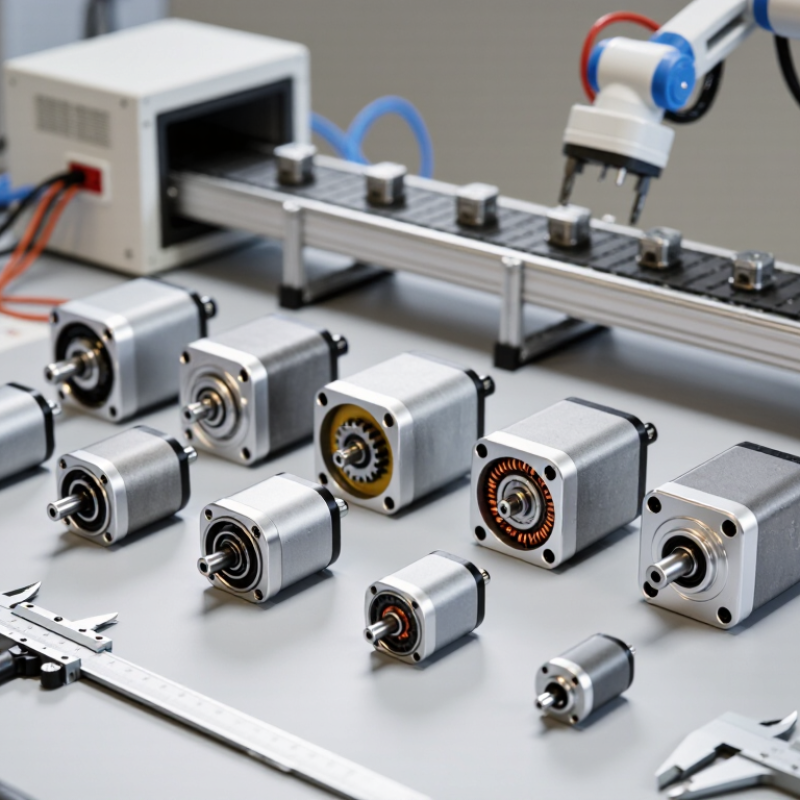
Before choosing a mini gear motor, define what the mechanism must actually do. Measure the required output speed, continuous torque, starting torque, and operating time. A small actuator lifting a flap needs different performance from one turning a display dial.
Write down the available space. Record the maximum diameter, mounting pattern, shaft length, and allowable weight. Check the power source too. Voltage variation can change motor speed, heating, and available torque. Do not estimate the load from appearance alone. Friction, cable tension, and sudden impacts often increase the real demand.
Think about the working environment. Dust, moisture, temperature, vibration, and noise may affect the motor and gearbox. A high gear ratio can provide useful torque, but it may reduce speed and increase backlash. That matters in positioning applications. Short duty cycles may be acceptable, while continuous operation requires careful thermal evaluation.
Test the difficult moment.
Measure the load during startup, not only during smooth movement. I have seen prototypes pass bench tests and fail after repeated cycles because the gearbox overheated. That mistake is easy to repeat. Leave a practical safety margin, then verify it with a prototype under realistic conditions. Check stall protection, shaft alignment, and end-stop behavior before finalizing the motor specification. A neat calculation is helpful, but measured data is more trustworthy.
7 Tips for Choosing the Right Mini Gear Motor
Match the motor’s torque, speed, and gear ratio to the real load, not the catalog headline. The U.S. Department of Energy reports that motor-driven equipment uses about 69% of industrial electricity. Even small sizing errors can waste energy through heat, slip, and repeated stalls. Measure the load torque at startup and during continuous movement. Startup torque may be several times higher than running torque. Add a practical safety margin, often 25% to 50%, depending on shock loads and duty cycle.
Use the gear ratio to trade speed for torque. A 100:1 gearbox can produce strong output torque, but friction reduces the theoretical gain. Check the manufacturer’s rated gearbox efficiency, then calculate output torque using motor torque × ratio × efficiency. For example, a 0.04 N·m motor with a 50:1 ratio and 75% efficiency delivers about 1.5 N·m before safety margin. Do not ignore output speed. A conveyor needing 30 rpm may overheat if the selected motor runs continuously at a much higher internal speed.
Keep the duty cycle visible.
The IEA has estimated that electric motor systems consume roughly 46% of global electricity. That makes efficiency a practical design issue, even in compact devices. Confirm shaft alignment, ambient temperature, noise limits, and allowable backlash. A neat calculation can still fail. I once overlooked brief reversing cycles in a test plan, and the gearbox temperature rose quickly. Recheck the worst-case motion profile before ordering.
Match motor torque, speed, and gear ratio to the load. The comparison below shows how selected output torque should exceed the calculated load torque while maintaining a suitable operating speed.
Allowing approximately 25–40% torque reserve helps accommodate friction, startup loads, minor misalignment, and normal variation in the mechanism. Always verify the required gear ratio, duty cycle, voltage, and thermal limits before final selection.
Choosing the right mini gear motor starts with matching the motor type to the motion required. A brushed DC motor suits simple, low-cost systems needing continuous rotation. A brushless motor offers longer service life and quieter operation, but usually requires electronic control. A stepper motor fits applications needing measured movement and repeatable positioning. For high reduction ratios, planetary or worm gearing may provide useful torque, although efficiency can fall. Start with torque.
Power source selection deserves equal attention. Check the motor’s rated voltage, running current, and stall current before choosing a battery or power supply. A small battery may run the motor briefly, then lose voltage during acceleration. A regulated supply should provide enough current without excessive heating. Measure the load. Also consider duty cycle, speed changes, and startup demand. A motor rated at 6 volts may not tolerate a constant 6-volt supply if ventilation is poor.
In practical testing, mount the motor under its real mechanical load. Listen for gear noise and watch the casing temperature after several minutes. Small details matter. I have found that theoretical torque figures can mislead when friction, misalignment, or sudden resistance appears. Leave a safety margin instead of selecting the smallest possible motor. This approach may increase size or cost slightly, but it improves reliability and reduces premature gear wear. Recheck the choice if the prototype stalls, vibrates, or draws unexpected current.
Check Size, Mounting, Materials, and Operating Environment
A mini gear motor should fit the machine, not merely turn the shaft. Start with torque, speed, duty cycle, and available space. The gearbox ratio affects output torque and operating noise. A motor that looks compact may still need clearance for wiring and heat dissipation. Confirm shaft diameter, mounting holes, flange shape, and cable direction before ordering. Small errors become expensive rework.
The International Energy Agency reported that electric motor systems used 43–46% of global electricity in its 2011 motor-systems analysis. Efficiency matters, even in small equipment. Select a motor near its normal load range, rather than choosing the largest model. A larger unit may waste space and energy. I have seen prototype designs fail because mounting alignment was treated as an afterthought. Measure twice. Then test.
Materials must match the operating environment. Stainless or treated housings can resist moisture, while sealed bearings help limit dust entry. Check the required IP rating under IEC 60529, rather than assuming “sealed” means waterproof. Temperature also changes lubricant performance and insulation life. The U.S. Department of Energy’s Motor Systems Market Assessment notes that motor-driven equipment represents more than half of industrial electricity use. That figure makes thermal losses worth checking. Still, laboratory data may not reflect vibration, cleaning fluids, or repeated starts. Test the motor in realistic conditions, and question every optimistic specification.
Choosing a mini gear motor requires more than matching voltage and torque. Efficiency affects heat, battery life, and operating cost. The International Energy Agency reports that motor-driven systems consume about 53% of global electricity. Even a small motor deserves careful evaluation.
Check seven points: rated efficiency, no-load current, operating noise, gearbox backlash, bearing life, duty cycle, and total cost. The U.S. Department of Energy’s Motor Systems Market Assessment estimates that motors use nearly 70% of industrial electricity. That figure concerns larger systems, but the lesson still applies: wasted energy becomes heat and expense. Measure current under real load, not only at the supplier’s test point. Small details matter.
Noise is measurable. IEC 60034-9 defines acoustic limits for rotating machines, while gearbox design can create additional tonal noise. Ask for sound-pressure data, test distance, and load conditions. “Quiet” is incomplete. For lifespan, use ISO 281 bearing calculations, but treat them as estimates. Dust, misalignment, frequent reversing, and shock loads can shorten service life sharply. Compare replacement access, efficiency losses, and energy use over the intended duty cycle. The cheapest motor may cost more after six months. I have seen this happen. A compact motor with slightly higher purchase cost can reduce heat, maintenance, and unexpected downtime, although every application still needs measured validation.
Measure startup torque and running torque separately. Startup demand may be several times higher. Add a 25% to 50% safety margin for shocks, resistance, and repeated starts. Start with torque.
A higher ratio usually trades speed for output torque. Friction reduces the theoretical torque increase. Calculate output torque as motor torque × ratio × gearbox efficiency. Check output speed too.
Yes, especially when the motor runs continuously above the required output speed. A conveyor needing 30 rpm may overheat with an unsuitable internal speed. Check temperature after several minutes.
Brushed DC motors suit simple continuous rotation. Brushless motors usually run more quietly and need electronic control. Stepper motors suit measured, repeatable positioning. Planetary or worm gearing can provide high reduction, but efficiency may fall.
Check rated voltage, running current, and stall current before selecting a source. A small battery may sag during acceleration. A regulated supply needs enough current without excessive heating.
Mount the motor with its actual mechanical load. Watch casing temperature, listen for gear noise, and observe current draw. Include reversing cycles and sudden resistance. I once missed brief reversals, and gearbox temperature rose quickly.
Check shaft diameter, mounting holes, flange shape, cable direction, and wiring clearance. Allow room for heat dissipation. Small measurement errors can create expensive rework.
Match housing, bearings, seals, lubricant, and insulation to moisture, dust, vibration, and temperature. Do not assume “sealed” means waterproof. Test cleaning fluids and repeated starts when they occur.
Choosing the right Mini Gear Motor begins with clearly defining the application requirements, including the expected load, operating cycle, available space, and control conditions. Motor torque, speed, and gear ratio should then be matched carefully to the load so the system can deliver reliable performance without unnecessary strain. It is also important to select a suitable motor type and power source based on the equipment’s voltage, control method, and energy needs.
Before making a final decision, evaluate the motor’s size, mounting options, materials, and ability to operate in the intended environment. Factors such as temperature, moisture, dust, and vibration can strongly affect reliability. Finally, compare efficiency, operating noise, expected lifespan, maintenance needs, and total cost rather than focusing only on the initial purchase price. A balanced assessment will help you choose a Mini Gear Motor that provides stable operation, efficient energy use, and long-term value for your specific application.
