Rovix Motion Rovix Motion

Best Motors for Lock Applications in 2026 What to Consider?

Time:2026-08-16 Author:Sienna
0%

In the rapidly advancing world of smart locks, selecting the right "Motor For Lock" plays a crucial role in security. With numerous options available, it is essential to consider factors such as reliability, power consumption, and response time. The right motor can enhance both security and user experience significantly.

A quality motor should not just function well; it needs to be durable. Users expect locks to withstand daily wear and tear. Factors like material quality and design impact overall longevity. Additionally, energy efficiency is vital. Many users prefer motors that conserve power and ensure long-lasting battery life. This aspect is especially important in remote-controlled locking systems.

However, choosing a motor is not straightforward. With evolving technologies, it is common to encounter products that claim high performance but may disappoint. Potential buyers should conduct thorough research to avoid subpar options. Consulting with experts or reading reviews can provide valuable insights. Ultimately, a well-chosen motor enhances the security of any lock system.
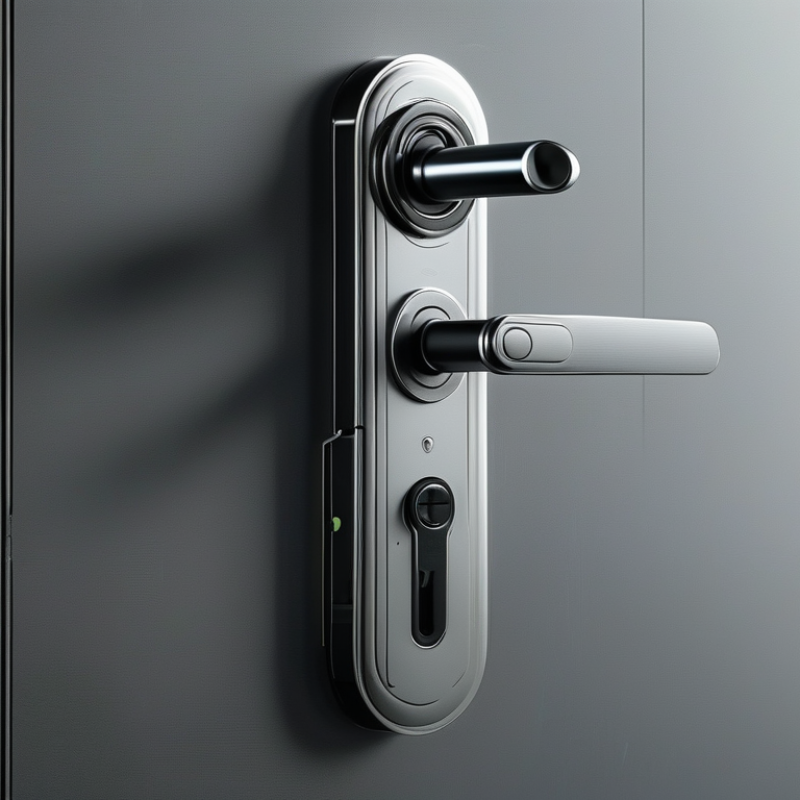
Best Motors for Lock Applications in 2026 What to Consider?

Key Features to Look for in Motors for Lock Applications

When selecting motors for lock applications, several key features must be considered. The torque requirements are paramount. According to industry reports, the optimal torque range varies from 0.5 to 2.5 Nm for typical lock systems. This range ensures reliable performance without compromising efficiency. Additionally, motor speed plays a critical role. Most electric locks operate effectively within the 1000 to 3000 RPM category. It's important to find motors that can sustain these speeds while maintaining precision.

Another significant factor is power consumption. In the latest studies, energy-efficient motors can reduce operational costs by up to 30%. Choosing motors with low-wattage ratings can contribute to sustainability efforts. Noise levels also matter; quieter motors create a more pleasant user experience. Look for motors with operational noise levels below 50 dB.

Finally, durability and reliability cannot be overlooked. Motors should be rated for at least 10,000 cycles without failure. However, the actual lifespan can vary based on application specifics. Testing motors under real conditions can reveal unexpected performance issues. Balancing these features is essential for developing efficient lock systems that meet user needs.

Types of Motors Commonly Used in Lock Systems

In lock systems, the choice of motors plays a critical role in functionality and security. Commonly used motors include DC motors, stepper motors, and servo motors. DC motors are favored for their simplicity and low cost. According to industry reports, they account for about 60% of the market for locking mechanisms. However, they may lack precision in speed and position control, which can impact performance.

Stepper motors offer better control and accuracy, which is essential in high-security applications. They utilize discrete steps, enabling precise positioning. Data from recent market analyses show that stepper motors make up 25% of the lock system market, reflecting an increasing demand in sophisticated applications. Yet, their complexity may lead to reliability issues under certain conditions.

Servo motors, although more expensive, excel in applications requiring high torque and responsiveness. They are recognized for their efficiency and adaptability. Studies indicate a growing trend towards servo solutions, particularly in smart locks. Nevertheless, the high upfront costs and necessary expertise in implementation often deter users. Choosing the right motor involves balancing these factors to meet specific security needs while considering budget constraints.

Performance Considerations for Lock Application Motors

When considering motors for lock applications, performance is crucial. The motor must provide reliable locking mechanisms. Factors such as torque, speed, and energy efficiency significantly influence performance. High torque ensures that locks engage properly, even under stress. Speed affects how quickly locks can operate, particularly in electronic systems.

Efficiency plays a role in energy consumption. Devices designed with energy-efficient motors can reduce operational costs over time. It's essential to balance performance needs with energy requirements. A motor that works too hard may overheat or fail sooner. Also, evaluate the environmental conditions where the motor will operate. Extreme temperatures or moisture can affect performance.

**Tips:** Look for motors with robust heat dissipation features. This can prevent overheating during extended use. Consider the specific locking mechanism when choosing a motor type. Do you need a quick response or prolonged engagement? Reflect on your past choices. Mistakes can guide future selections.

Future Trends in Motor Technology for Locks

As we look toward 2026, the future of motor technology for lock applications seems promising yet complex. Innovations in materials and engineering are paving the way for smaller, more efficient motors. These advancements lead to enhanced security features and improved user experiences. Magnetic and piezoelectric motors, for instance, are gaining attention. They offer high precision and minimal size, ideal for modern locks.

Trends indicate a shift toward smart technology integration. Motors with built-in sensors can enable real-time monitoring and alerts. This connectivity adds layers of security and convenience. Yet, these advancements raise questions about privacy and data safety. Users must consider the implications of connected devices.

Moreover, energy efficiency remains a critical factor. The demand for sustainable options is compelling manufacturers to rethink design and functionality. Many motors are now being optimized for lower energy consumption while maintaining performance. This balance is not always easy. Designers face challenges in creating reliable, long-lasting products. The evolution of lock applications relies heavily on innovation while addressing these complex issues.

Safety and Security Factors in Motor Selection for Locks

When selecting motors for lock applications in 2026, safety and security are paramount. A motor's reliability can significantly impact the overall security of a locking system. According to industry reports, an estimated 30% of security breaches result from mechanical failures. Therefore, choosing a motor with proven durability and a robust design is essential to mitigate risks.

Tip: Always assess the motor's material quality and construction. Quality materials enhance longevity and resistance to tampering. Look for motors that undergo rigorous testing and meet industry standards.

Protection against external influences is another crucial factor. Motors exposed to extreme temperatures, moisture, or dust may fail prematurely. Studies indicate that 25% of motor failures are linked to environmental conditions. Thus, selecting motors with sealed enclosures and weather-resistant features can improve performance in various conditions.

Tip: Consider the integration of smart technologies. Motors with built-in monitoring systems can provide real-time alerts and enhance security. This approach can detect anomalies and potential threats, reinforcing the effectiveness of the locking system.

Best Motors for Lock Applications in 2026

FAQS

: What types of motors are commonly used in lock systems?

: DC motors, stepper motors, and servo motors are commonly used. Each has unique advantages and limitations.

Why are DC motors popular in lock mechanisms?

DC motors are favored for their simplicity and low cost. However, they lack precision in control.

What advantages do stepper motors offer?

Stepper motors provide better control and accuracy. They help with precise positioning in high-security applications.

What is the market share of stepper motors in lock systems?

Stepper motors make up about 25% of the lock system market, reflecting growing demand.

What are the benefits of using servo motors?

Servo motors excel in high torque and responsiveness. They are efficient and adaptable but can be expensive.

What are critical factors when selecting motors for locks?

Safety, reliability, material quality, and protection against environmental conditions are vital for motor selection.

How can weather impact motor performance?

Environmental factors like extreme temperatures and moisture can lead to motor failures. Choose sealed motors for protection.

What role do smart technologies play in motor selection?

Motors with monitoring systems can detect anomalies. This enhances security by providing real-time alerts.

Why is durability important in lock motors?

Proven durability reduces risks of mechanical failures. About 30% of security breaches stem from such issues.

Can motor complexity affect reliability?

Yes, increased complexity in motors, like stepper motors, may lead to reliability issues under certain conditions.

Conclusion

In 2026, selecting the right motor for lock applications involves considering several key features essential for performance and security. Important attributes include durability, responsiveness, and compatibility with various lock systems. Common types of motors used in lock applications typically range from DC motors to stepper motors, each with distinct advantages tailored to specific locking mechanisms.

Performance considerations are critical when evaluating a motor for lock scenarios, including factors such as torque, speed, and energy efficiency. Furthermore, future trends indicate a shift towards smarter motor technologies that integrate connectivity and enhanced security features. Lastly, safety and security factors play a crucial role in motor selection, ensuring that the chosen motor for lock applications delivers reliable and effective protection against unauthorized access while maintaining operational efficiency.

Sienna

Sienna

Sienna is a skilled marketing professional with a deep expertise in our company’s core products and services. With a passion for innovation and detail, she plays a pivotal role in crafting insightful blog posts that not only highlight the unique features of our offerings but also provide valuable......