Rovix Motion Rovix Motion

What is a DC Worm Gear Motor and How Does It Work?

Time:2026-07-22 Author:Oliver
0%

A DC Worm Gear Motor is an essential component in many mechanical systems. It combines a direct current (DC) motor with a worm gear arrangement. This configuration provides high torque and precise control in limited spaces. Many industries rely on these motors for various applications, including robotics, conveyor systems, and electric vehicles.

The design of a DC Worm Gear Motor is both simple and effective. The worm gear reduces the speed of the motor while increasing its torque, making it highly efficient for specific tasks. However, one must consider the potential limitations of increased heat generation and wear over time. Regular maintenance can mitigate these issues. Understanding the operational principles of this motor can lead to better use and application.

In conclusion, the DC Worm Gear Motor is a reliable and versatile solution. It offers unique advantages, but users should remain aware of its shortcomings. By comprehensively grasping its functionality, one can harness its strengths effectively.
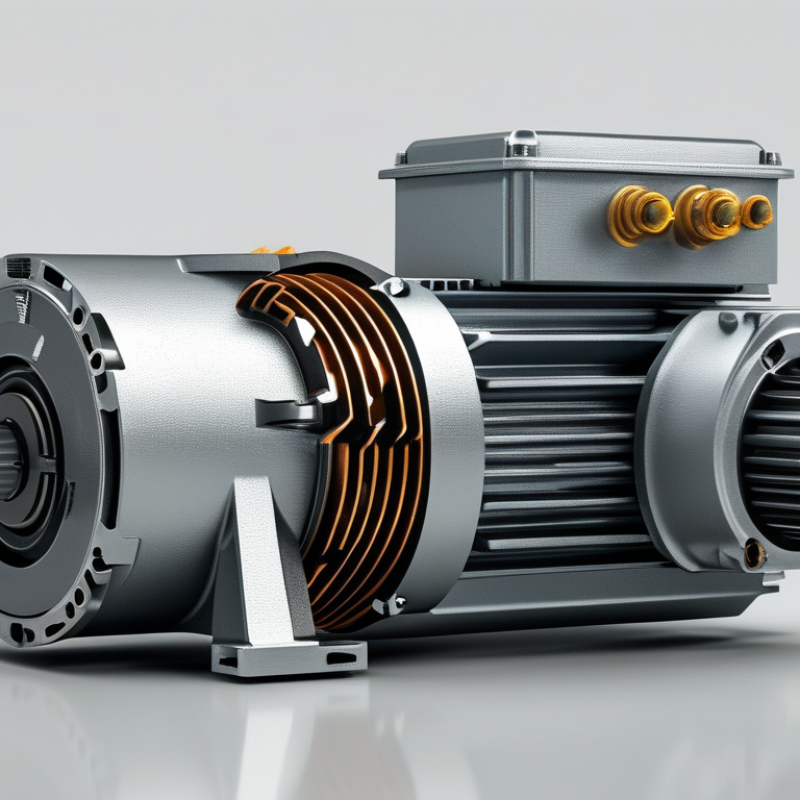
What is a DC Worm Gear Motor and How Does It Work?

What is a DC Worm Gear Motor?

A DC worm gear motor is a type of motor that combines a direct current (DC) motor with a worm gear mechanism. This configuration allows for high torque output and compact design. The DC motor converts electrical energy into mechanical energy, while the worm gear provides a significant gear reduction. This combination is often found in applications requiring precise control and low speeds.

One primary feature of DC worm gear motors is their ability to resist back-driving. This means once the output shaft is stopped, it does not easily reverse direction. This characteristic is beneficial for applications like lifting mechanisms and conveyor systems. The design, however, may lead to some inefficiencies in heat generation. Moreover, the lubrication in the gear system can degrade over time, requiring maintenance and replacement.

Understanding the specifications of a DC worm gear motor is crucial for effective operation. Factors such as torque rating, gear ratio, and physical dimensions must align with application needs. Users should be aware of these aspects to ensure compatibility. While these motors provide reliable solutions, they also necessitate ongoing assessment for peak performance.

Basic Components of a DC Worm Gear Motor

A DC worm gear motor consists of key components that work together to produce motion. The primary elements include a DC motor, worm gear, and the output shaft. The DC motor provides the initial rotational power. It converts electrical energy into mechanical energy efficiently. Worm gears, featuring a screw-like design, enable high torque at low speeds. This gear arrangement allows the motor to overcome resistance effectively.

Another crucial part is the housing, which protects the internal components. A durable housing ensures longevity. Bearings also play a vital role by supporting the rotating shaft and reducing friction. This contributes to smooth operation. Understanding these components helps in troubleshooting and maintenance.

Design imperfections can arise, particularly if the motor is overloaded. These issues may lead to overheating or equipment failure. Users should regularly check for wear and tear. Even small misalignments can impact performance. Careful assessment of the motor's condition ensures optimal functionality.

How DC Worm Gear Motors Operate

DC worm gear motors are crucial in various applications, offering benefits such as high torque and compact design. The core component is the worm gear, which provides a unique mechanical advantage. This setup allows for significant speed reduction while increasing the output torque. In fact, studies indicate that worm gear systems can achieve gear ratios from 5:1 to 300:1. This capability is particularly useful in robotics, conveyor systems, and industrial machinery.

Operating a DC worm gear motor involves intricately designed components working together. The motor spins the worm, which, in turn, engages with the gear. This connection enables the transfer of motion. The efficiency of this system often rests around 70% to 90%, but losses still occur due to friction. Engineers must design these motors considering this friction, particularly in high-load applications. Small adjustments can improve performance, yet they also reveal the complexity of optimizing these systems.

In practical uses, selecting the right gear ratio and understanding load requirements is essential. Oversizing can lead to inefficiencies, while undersizing impacts performance. Balancing these factors requires experience and knowledge. It’s a learning process, revealing that even minor tweaks in design or application can create significant differences in outcomes.

Applications of DC Worm Gear Motors

DC worm gear motors are widely used in various applications due to their unique advantages. They provide high torque output while maintaining a compact design. This makes them ideal for situations where space is limited. A report by Research and Markets indicates that the global DC motor market is expected to grow at a CAGR of 5.4% from 2020 to 2025. This growth is largely driven by the demand for efficient motors in robotics, automation, and automotive sectors.

In manufacturing, DC worm gear motors are employed for conveyor systems. They help in transporting heavy materials with ease, reducing the need for manual labor. According to a study published by the International Journal of Advanced Manufacturing Technology, the integration of worm gear motors can improve system efficiency by up to 30%. This illustrates their pivotal role in enhancing productivity. However, they can have limitations, such as increased wear under high loads, which might require more frequent maintenance.

Robotics is another significant area where DC worm gear motors shine. Their ability to provide precise movement makes them suitable for robotic arms and automated guided vehicles (AGVs). A market research report forecasts the robotics market will reach $149 billion by 2028, largely due to the rise in automation. While these motors offer great efficiency, their control systems can be complex, requiring specialized knowledge to optimize performance. This is crucial for achieving desired results in dynamic environments.

Applications of DC Worm Gear Motors

Advantages and Disadvantages of DC Worm Gear Motors

DC worm gear motors are widely used in various applications due to their unique characteristics. They combine a DC motor with a worm gear, providing high torque and a compact design. This setup makes them suitable for situations where space is limited.

One of the main advantages of DC worm gear motors is their ability to offer a high gear reduction ratio. This feature makes them incredibly effective in applications requiring significant torque. They also provide good load-holding capabilities. This can be crucial in systems like gates or robotic arms. However, these motors are not without their downsides. They often have lower efficiency compared to other gear motor types. This inefficiency can lead to higher energy consumption, which may not be ideal for all projects.

Additionally, the wear and tear on worm gears can lead to maintenance challenges. Over time, they may require more frequent servicing. It's important to consider these factors when choosing a DC worm gear motor for your project. While they offer unique benefits, their limitations can impact overall performance and longevity.

What is a DC Worm Gear Motor and How Does It Work? - Advantages and Disadvantages of DC Worm Gear Motors

Feature Description
Motor Type DC Worm Gear Motor
Working Principle Converts electrical energy into mechanical energy using a worm gear system.
Advantages High torque, compact size, good for low-speed applications, self-locking ability.
Disadvantages Lower efficiency, higher heat generation, limited speed range.
Typical Applications Robotics, conveyor systems, door openers, and medical devices.
Common Voltage Ratings 12V, 24V, and 36V.
Efficiency Range 40% to 80% depending on design and loading conditions.

FAQS

: What are the common applications of DC worm gear motors?

: They are used in manufacturing, robotics, and automation. They excel in conveyor systems and robotic arms.

Why are DC worm gear motors favored in limited spaces?

Their compact design allows for high torque output in tight areas. This makes them suitable for various applications.

How do DC worm gear motors enhance efficiency in manufacturing?

They can improve system efficiency by up to 30%. This reduces manual labor and speeds up transportation of materials.

What is a significant drawback of DC worm gear motors?

They may have increased wear under high loads. This leads to more frequent maintenance and downtime.

Why might energy consumption be a concern with these motors?

DC worm gear motors often have lower efficiency. This can result in higher energy use, which may not be cost-effective.

How critical is specialized knowledge for using DC worm gear motors?

It is essential for optimizing control systems. Proper setup influences performance in dynamic environments.

Do DC worm gear motors have good load-holding capabilities?

Yes, they can hold significant loads, crucial for applications like gates and robotic arms.

How might the longevity of DC worm gear motors be affected?

Wear and tear from usage can reduce their lifespan. Frequent servicing may be necessary to maintain functionality.

What is the projected growth of the global DC motor market?

The market is expected to grow at a CAGR of 5.4% from 2020 to 2025 due to rising technology demands.

Are there any complexities in using DC worm gear motors?

Yes, complex control systems may pose challenges. Ensuring optimal settings is vital for achieving desired outcomes.

Conclusion

A DC Worm Gear Motor is a specialized type of electric motor that combines a direct current (DC) motor with a worm gear mechanism. This unique design allows for high torque output at low speeds, making it ideal for applications requiring precise control and movement. The basic components include the DC motor, a worm gear, and a worm wheel, which work together to convert rotational motion from the motor into increased torque through the gear mechanism.

These motors operate by turning the worm gear, which then drives the connected worm wheel, effectively reducing speed while boosting torque. DC Worm Gear Motors are commonly used in various applications such as robotics, conveyor systems, and automotive devices due to their compact size and efficiency. However, they also come with advantages and disadvantages, including benefits like low backlash and a compact design, alongside drawbacks such as potential overheating and lower efficiency compared to other gear motors.

Oliver

Oliver

Oliver is a seasoned marketing professional with a wealth of expertise in driving brand awareness and engagement. With a deep understanding of our company's product offerings, he consistently delivers high-quality content that enriches our professional blog. His insights not only shed light on......