Choosing the right DC motor for your project can be a daunting task. Many factors influence this decision, such as voltage, speed, and torque requirements. A DC motor is more than just a component; it's the heart of your design. Understanding its specifications is crucial for optimal performance.
Experience shows that not all DC motors are created equal. Some are tailored for high-speed applications, while others excel in torque. This diversity can lead to confusion. It’s important to evaluate your project needs thoroughly. Consider the environment where the motor will operate. For instance, will it face harsh conditions? Reliability is key.
Ultimately, selecting a DC motor involves assessing numerous aspects. Misjudging specifications can result in inefficiencies or failures. Reflection on your choices will enhance future designs. Engage with experts and review case studies to deepen your understanding. With thorough research, your project can achieve excellence.
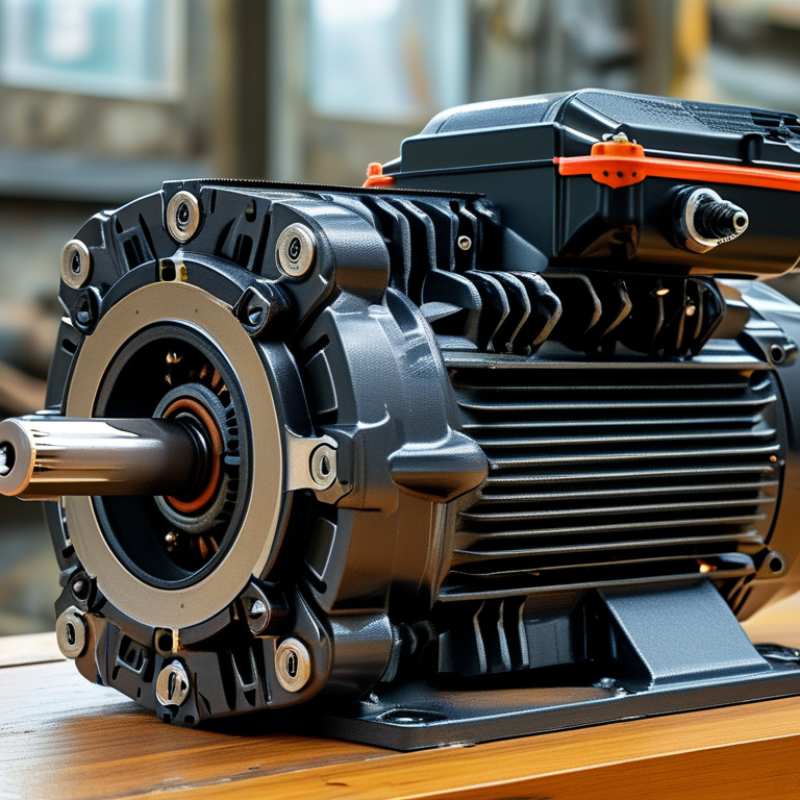
Understanding the Basics of DC Motors: Types and Functions
DC motors are essential components in various projects, ranging from simple toys to complex robotics. Understanding their types and functions is crucial for effective application. There are several types of DC motors, including brushed and brushless.
Brushed motors are easier to control but require regular maintenance due to brush wear. Brushless motors tend to be more efficient and last longer, but they can be more complicated to set up.
Each motor type serves different functions. Brushed motors provide high torque at low speeds, making them suitable for applications like car window regulators. Brushless motors are perfect for applications requiring high speed and efficiency, such as drones. Selecting the right type hinges on your project’s requirements.
Think about factors like load, speed, and power supply carefully.
However, common issues arise in motor selection. For instance, a motor might not provide enough torque, leading to performance issues. On the other hand, oversizing a motor can result in wasted energy and increased costs. It's essential to test different motors and adjust based on feedback. This iterative process can help refine your choice and ensure optimal performance for your specific project.
Key Specifications to Consider: Voltage, Current, and Power Ratings
When selecting a DC motor, understanding key specifications is crucial. Voltage is the first parameter to consider. Common voltages range from 6V to 48V in consumer applications. Choosing a voltage that matches your power supply is essential for optimal performance. If the voltage is too low, the motor may stall under load. Conversely, exceeding voltage ratings can lead to overheating.
Current ratings are equally important. They determine the motor's torque capacity and its thermal limits. For instance, a motor rated for 2A may provide different performance under varying load conditions. It's necessary to consider startup current, which can be several times higher than running current. This spike can affect circuit design, especially in battery-powered projects.
Power ratings, measured in watts, reflect the motor's efficiency. A higher power rating generally translates to better performance. Data indicates that a motor with a power rating of 100W can move larger loads effectively. However, high power can also mean more complex heat management. It’s vital to balance these factors based on project requirements. Understanding these specifications ensures a reliable motor choice that aligns with performance goals.
Evaluating Torque and Speed Requirements for Your Application
When selecting a DC motor, torque and speed are key metrics to evaluate. Torque refers to the rotational force produced by the motor. It’s crucial for overcoming resistance in applications like robotics or conveyors. High torque is essential for heavy loads, while lower torque may suffice for lighter tasks. Consider how much weight the motor needs to move or hold.
Speed, measured in RPM (revolutions per minute), indicates how fast the motor can turn. For applications requiring rapid movement, a high-speed motor is necessary. However, speed often impacts torque. A motor that spins quickly may not deliver as much torque. Balancing these two requirements can be challenging.
Evaluate your project's specific needs. Testing different motor combinations can yield insights. What works in theory may not perform well in practice. Document results and adjust calculations accordingly. Reflecting on past experiences can inform better decisions in the future. Finding the right motor involves trial and error, but with careful evaluation, you will enhance the success of your project.
DC Motor Torque and Speed Evaluation
This chart evaluates torque and speed requirements across various DC motors, helping to make informed decisions based on performance metrics suited for specific applications.
Comparison of Efficiency Ratings: Brushed vs. Brushless DC Motors
When selecting a DC motor, efficiency is a crucial factor. Choosing between brushed and brushless motors can significantly impact your project's performance. Brushed DC motors are typically more cost-effective. However, they suffer from higher maintenance needs due to brush wear. According to a report by the International Electrotechnical Commission, the efficiency of brushed motors can vary between 70% to 85%, depending on load conditions.
On the other hand, brushless DC motors offer superior efficiency ratings, often exceeding 90%. They utilize electronic commutation, eliminating the need for brushes, which enhances their lifespan and reliability. A study from the IEEE found that brushless motors operate cooler and quieter than their brushed counterparts. This efficiency translates to lower energy consumption, particularly beneficial in applications requiring long operational hours.
Despite these advantages, brushless motors can be more complex and expensive to implement. Their control systems require additional components, which may increase initial costs. Thus, while they offer efficiency benefits, project budgets and design simplicity should also be considered. Weighing these factors carefully is essential for making the right choice.
Selecting the Right DC Motor Controller for Optimal Performance
When selecting a DC motor controller, consider performance requirements carefully. Understanding your project's unique demands is crucial for optimal efficiency. Controllers manage speed and torque, enabling precise operation. Without the right controller, even a top-quality motor may not perform well.
Tip: Assess your voltage and current needs. Choose a controller that matches these specifications to avoid potential issues. For complex tasks, consider programmable options. These can enhance flexibility in your project, giving you better control.
Many users overlook heat dissipation. As motors operate, they generate heat. Ensure your controller can handle this safely. Failure to account for heat can lead to performance drop-offs or damage.
Tip: Always review the temperature ratings before making a choice. Your controller's reliability greatly depends on managing thermal conditions effectively. A well-chosen controller can significantly enhance your system's longevity and performance consistency.
How to Choose the Right DC Motor for Your Project? - Selecting the Right DC Motor Controller for Optimal Performance
| Motor Type |
Voltage (V) |
Current Rating (A) |
Torque (Nm) |
RPM |
Controller Type |
| Brushed DC Motor |
12 |
1.5 |
0.2 |
3000 |
PWM Controller |
| Brushless DC Motor |
24 |
5 |
0.5 |
6000 |
Sensorless Controller |
| Coreless DC Motor |
6 |
1 |
0.1 |
15000 |
ESC (Electronic Speed Controller) |
| Permanent Magnet DC Motor |
48 |
3 |
1.0 |
2000 |
H-Bridge Controller |
Conclusion
Choosing the right DC motor for your project involves understanding the fundamentals of different types and their functions. It is crucial to consider key specifications such as voltage, current, and power ratings, as these parameters will directly impact the motor's performance. Evaluating torque and speed requirements specific to your application will further help in selecting the most appropriate DC motor.
Additionally, one must compare efficiency ratings between brushed and brushless DC motors, as this can influence the overall operation and longevity of your project. Finally, selecting the right DC motor controller is essential for achieving optimal performance and ensuring smooth operation within your system. By carefully assessing these factors, you can ensure the successful implementation of a DC motor in your application.
 Rovix Motion
